
When the bricks are still doing their job but the mortar between them is cracking, receding or falling away, the right repair may be tuckpointing, not replacing the entire chimney. CrownStone restores deteriorated chimney joints with attention to mortar compatibility, joint appearance and the needs of older Shaker Heights masonry.
 Mortar jointJoint depthBrick face
Tuckpointing is specifically about the mortar between the bricks rather than the bricks themselves. That distinction changes both the diagnosis and the work.
On an older masonry chimney, mortar is designed to work with the brick, not overpower it. When joints weather away, water finds easier paths into the wall and the remaining brick loses support.
These are mortar-joint problems. If the brick itself is failing extensively, the job moves into masonry repair or rebuilding instead.
If joints powder, crumble or release with very little effort, the mortar may have lost enough integrity to justify repointing.
Mortar that has eroded well behind the brick face exposes more of each brick edge to weather and moisture.
Cracking that primarily follows the joints may point toward mortar deterioration rather than widespread brick failure.
Open mortar gaps may start locally but expand as rain and freezing conditions continue working on the joints.
Bright, overly smooth or differently tooled patches can interrupt the character of an older chimney even when the repair remains intact.
Persistent moisture around failing joints can be a sign that water is moving through vulnerable areas of the masonry.
Historic masonry guidance emphasizes matching the existing mortar's physical properties and appearance. Mortar that is too hard or too impermeable can push moisture and stress into softer surrounding brick.
Shaker Heights' own preservation guidance says replacement chimney mortar should match old mortar in composition, color and texture, and the joint size and shape should match the original work.
Good tuckpointing/repointing removes failed mortar to an appropriate depth and rebuilds the joint. Surface-only patches do not solve deeply deteriorated joints.
Determine how widespread the deterioration is and whether the surrounding bricks remain serviceable.
Failed mortar is removed without unnecessarily damaging brick edges or enlarging the joints.
Consider hardness, permeability, color, aggregate appearance and the needs of the existing masonry.
New mortar is placed into the prepared joint rather than applied as a thin cosmetic surface layer.
The final profile should fit the surrounding chimney instead of creating visibly different bands of new mortar.
Mortar needs appropriate curing conditions; drying too quickly can weaken the finished joint.
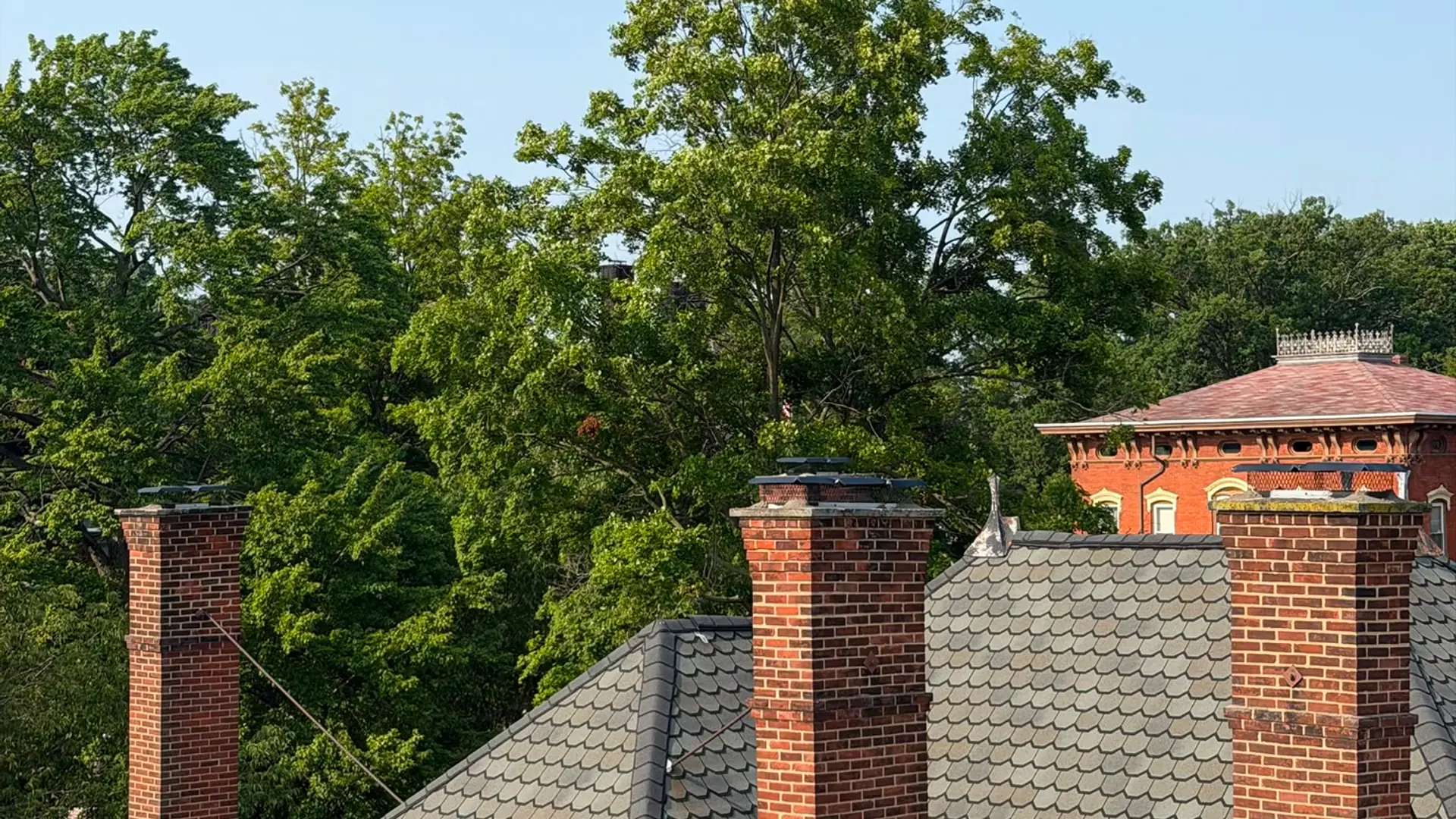
Shaker's Tudors, Colonials and other traditional homes often use brick chimneys as visible architectural features. Matching the joint color, width and finish helps the repair blend instead of reading as a bright patch from the street.
That makes this service especially relevant in older neighborhoods where original masonry and historic character are part of what homeowners are trying to preserve.
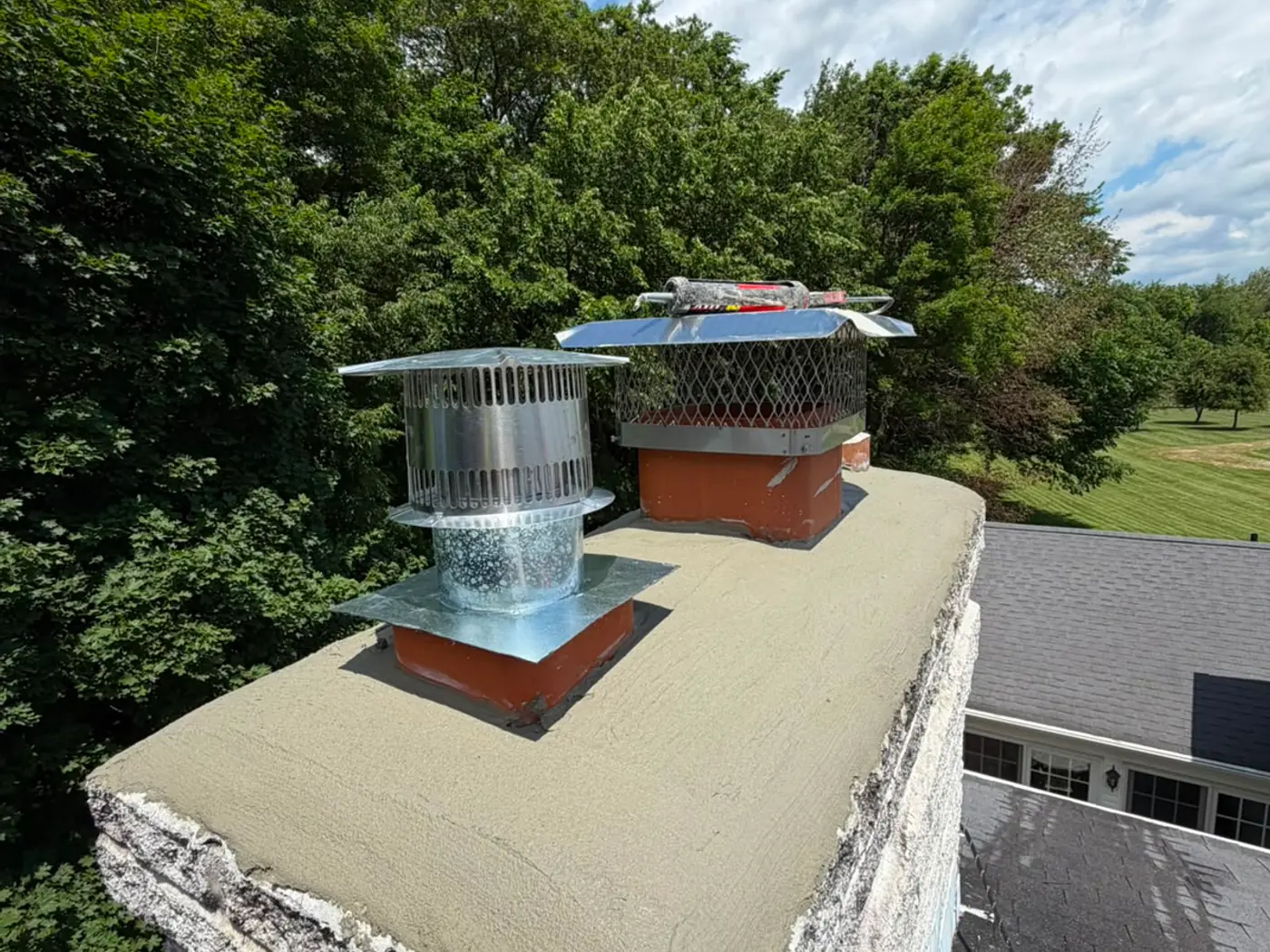
CrownStone has served more than 5,000 happy customers throughout Shaker Heights and Cleveland's East Side.
Request TuckpointingLong-term chimney and masonry experience across Northeast Ohio conditions.
Thousands of homeowners served across chimney, fireplace and masonry needs.
We distinguish joint deterioration from brick failure so the right service gets recommended.
Mortar compatibility, color and tooling matter on Shaker's older chimney masonry.
Tuckpointing is valuable precisely because it can restore the joints without rebuilding good masonry.
The questions homeowners ask most often about mortar joint repair.
If your chimney's bricks are largely sound but the mortar joints are cracking, receding or disappearing, CrownStone can evaluate whether tuckpointing is the right repair and how the replacement mortar should be matched to the existing masonry.