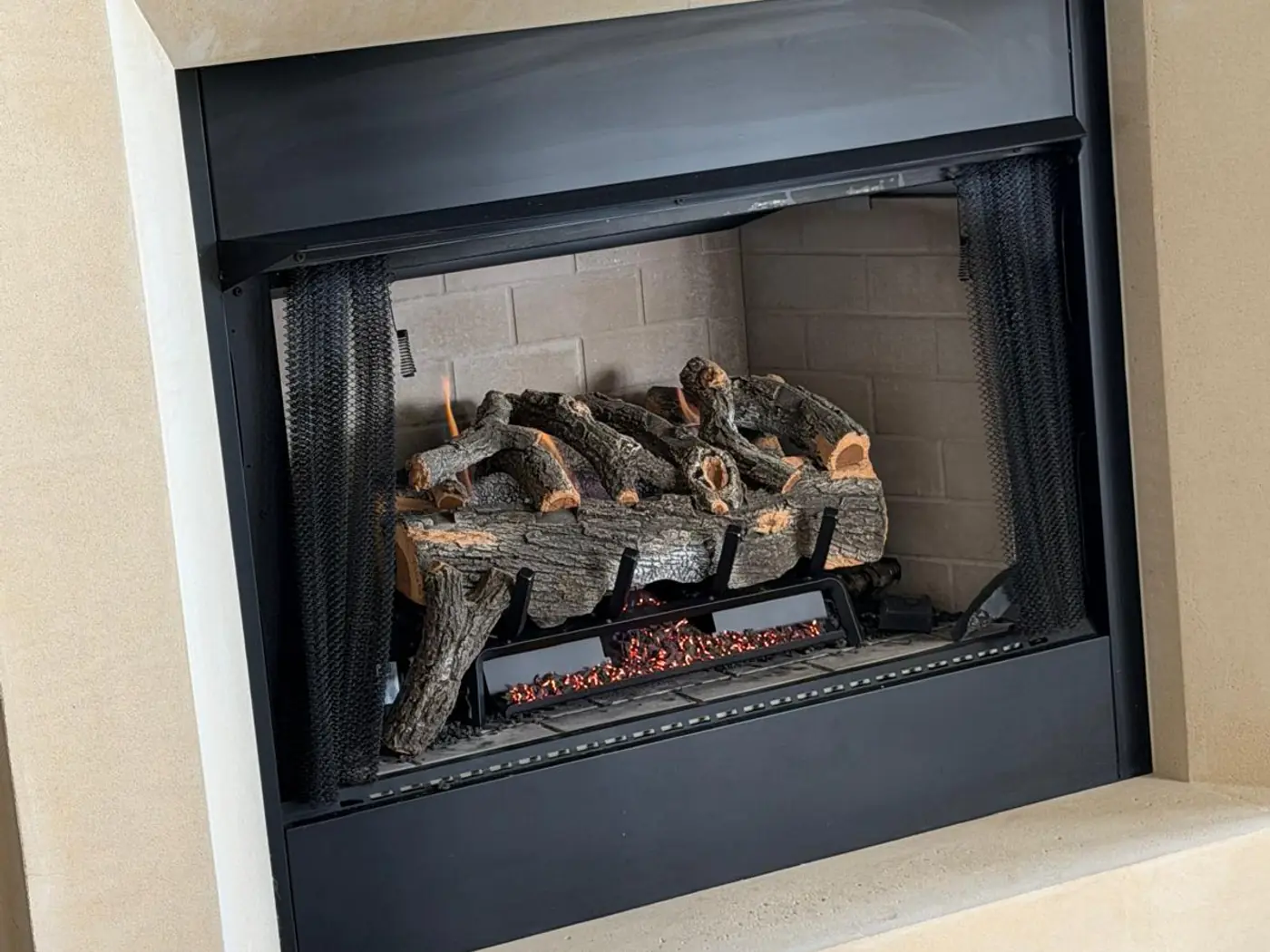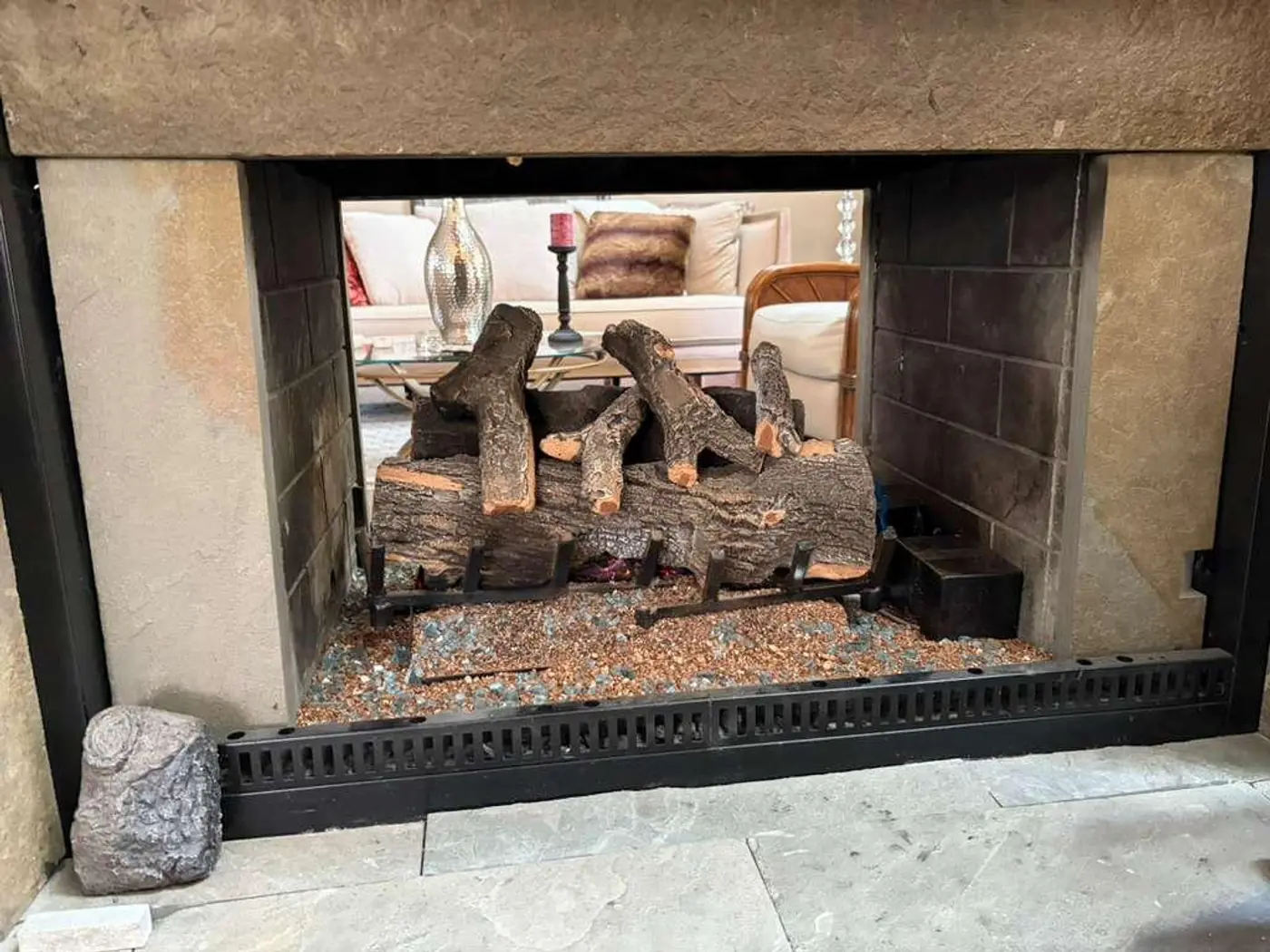
Chimney Liner Repair • Shaker Heights, Ohio

What’s Inside the Chimney Matters as Much as the Brick Outside

The chimney liner forms the internal venting path that carries combustion gases upward through the chimney. Because it is hidden from normal view, deterioration can go unnoticed until an inspection raises a concern.

CrownStone Chimney Solutions evaluates chimney liner conditions and provides repair or relining recommendations for older homes throughout Shaker Heights and Cleveland’s East Side.

Flue Path
Chimney Liner
Masonry Stack
Firebox
Chimney Liner Anatomy

The Liner Is the Internal Passage Inside the Masonry Chimney

You see the brick outside. The liner is the part working inside the chimney every time the fireplace is used.

01
FireboxWhere the fire burns and combustion begins.
02
Smoke Chamber / TransitionMoves combustion gases from the fireplace toward the flue.
03
Chimney LinerForms the internal venting passage through the chimney.
04
Masonry ChimneyThe surrounding brick and mortar structure around the venting path.
Signs a Chimney Liner May Need More Attention

Most Liner Problems Aren’t Obvious From the Living Room

Homeowners should not have to diagnose a hidden flue problem themselves. These are simply reasons to schedule a closer evaluation.

01

Unknown Liner History

Older homes may have decades of fireplace use without clear documentation of liner repairs or replacement.

02

Visible Deterioration During Inspection

Cracks, missing material or other visible concerns can indicate that additional liner evaluation is appropriate.

03

Falling Material

Pieces of clay, mortar or other debris found in the fireplace can be a reason to investigate the flue system.

04

Long Period of Non-Use

A chimney that has sat unused for years should be checked before returning to regular fireplace service.

05

Venting Changes

Smoke behavior or draft changes can have several causes and may justify a broader chimney evaluation.

06

Older Masonry Chimney

Age alone does not prove liner failure, but older systems often deserve closer attention when maintenance history is incomplete.

How We Approach Liner Concerns

Start With the Condition Before Choosing a Relining System

A liner should not be replaced simply because the chimney is old. The first question is what condition the existing venting path appears to be in and whether the chimney’s current use matches the system.

01
Review fireplace use and historyWood-burning use, long non-use, prior repairs and home-purchase history all matter.
02
Inspect accessible liner conditionsLook for visible cracking, missing material, debris or other conditions that deserve further attention.
03
Determine whether repair is limited or broaderLocalized concerns and widespread liner deterioration may call for different solutions.
04
Recommend the next stepRepair, relining or further evaluation should follow the actual chimney condition.
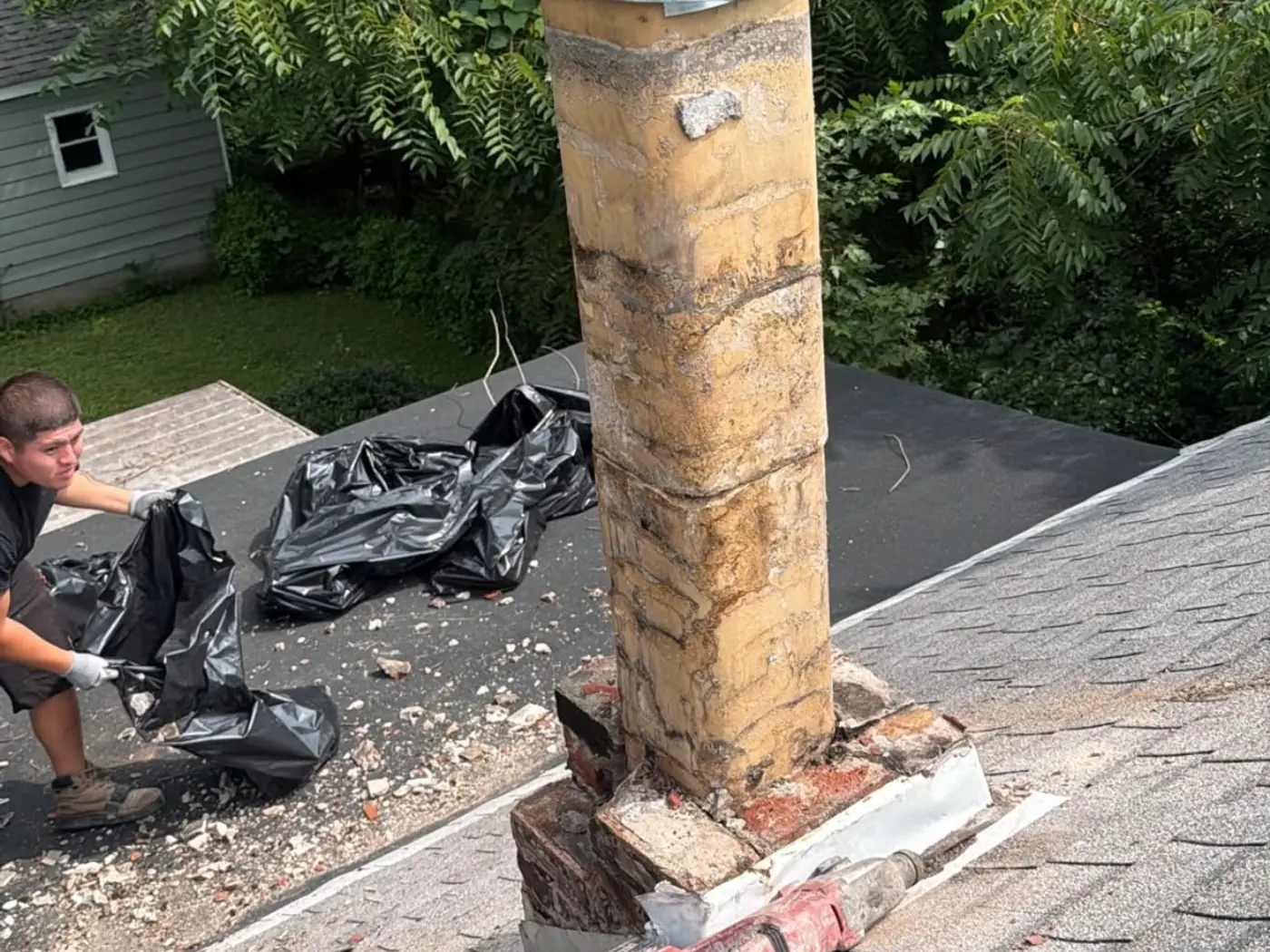
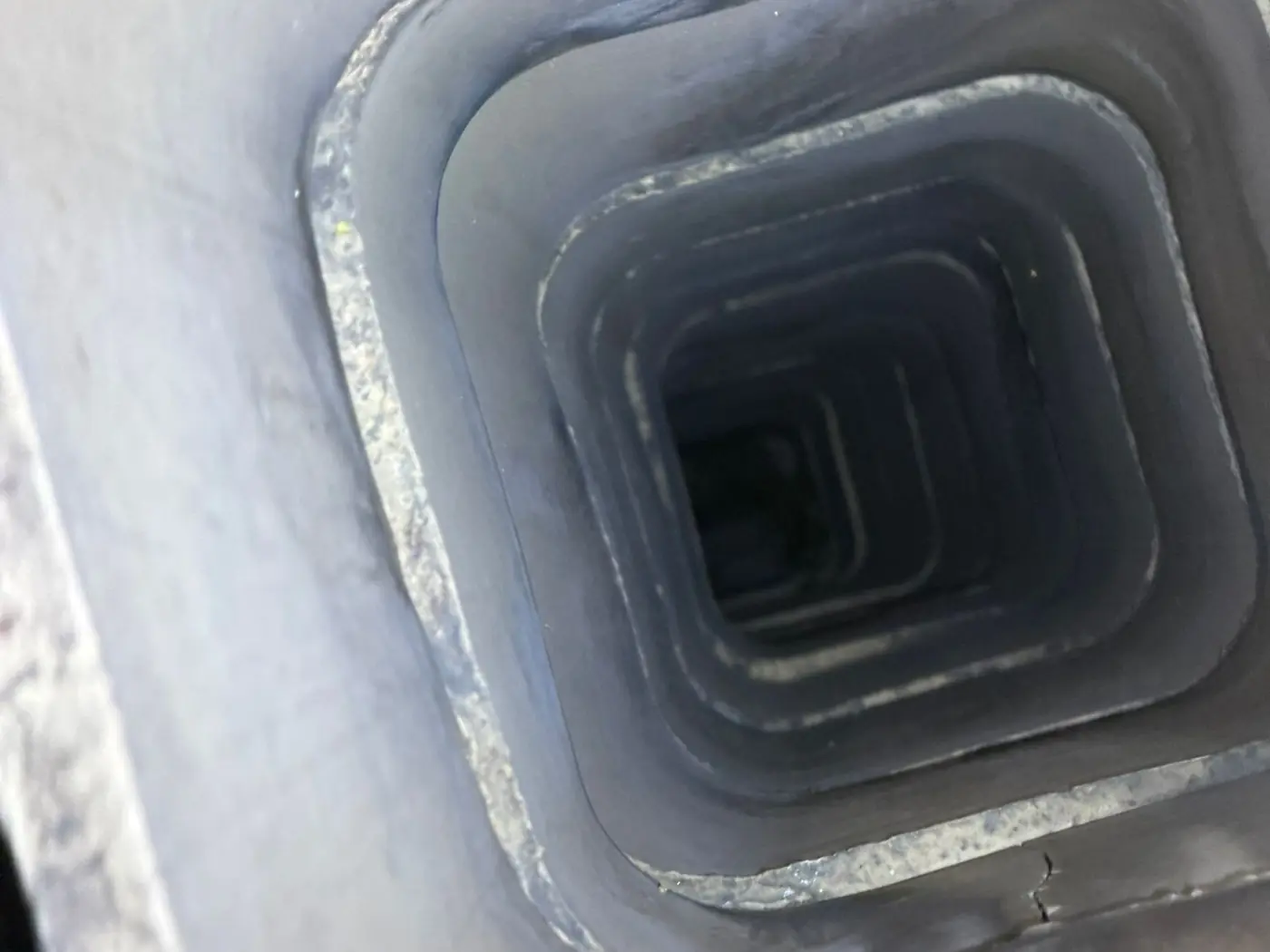
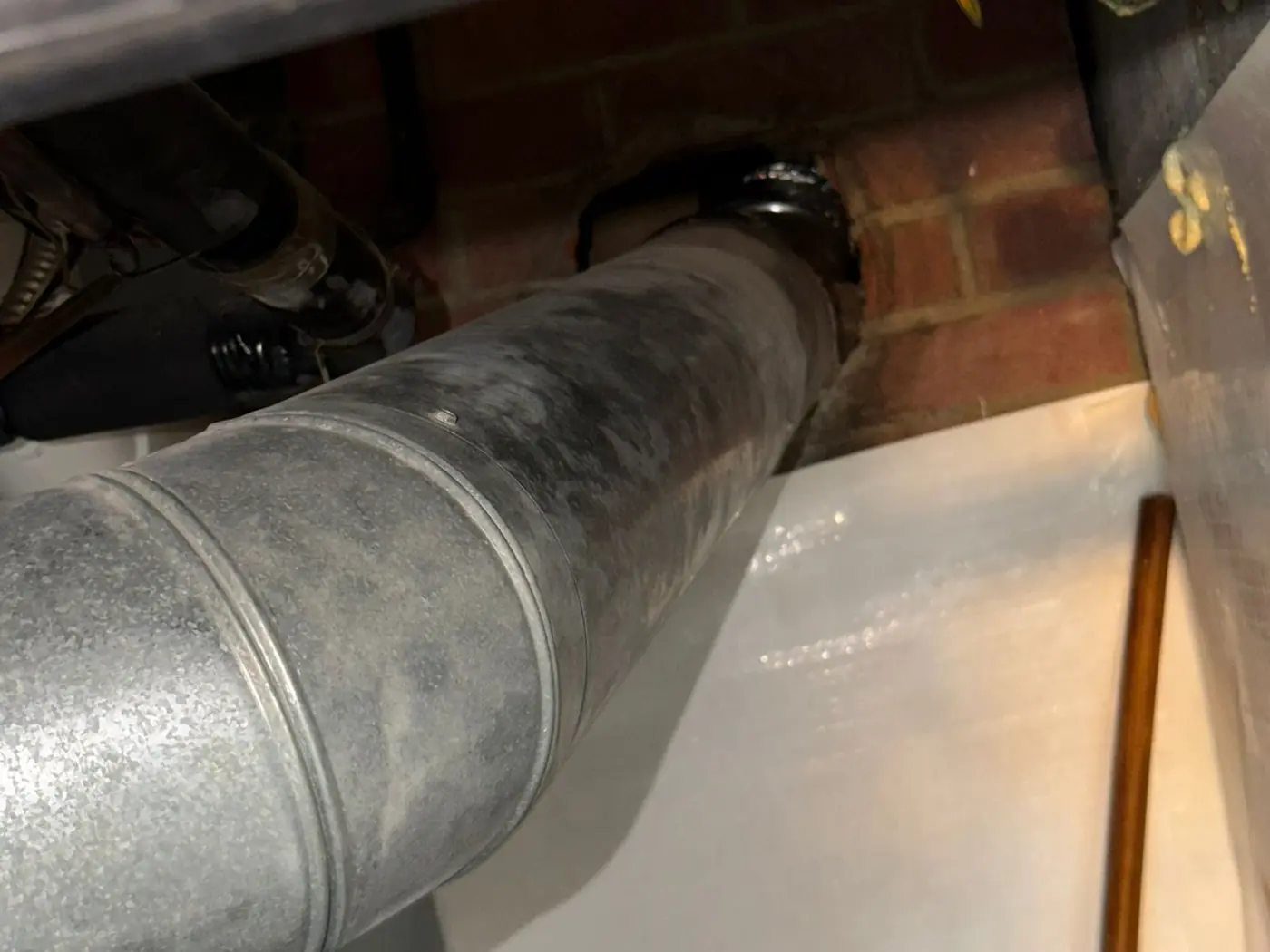
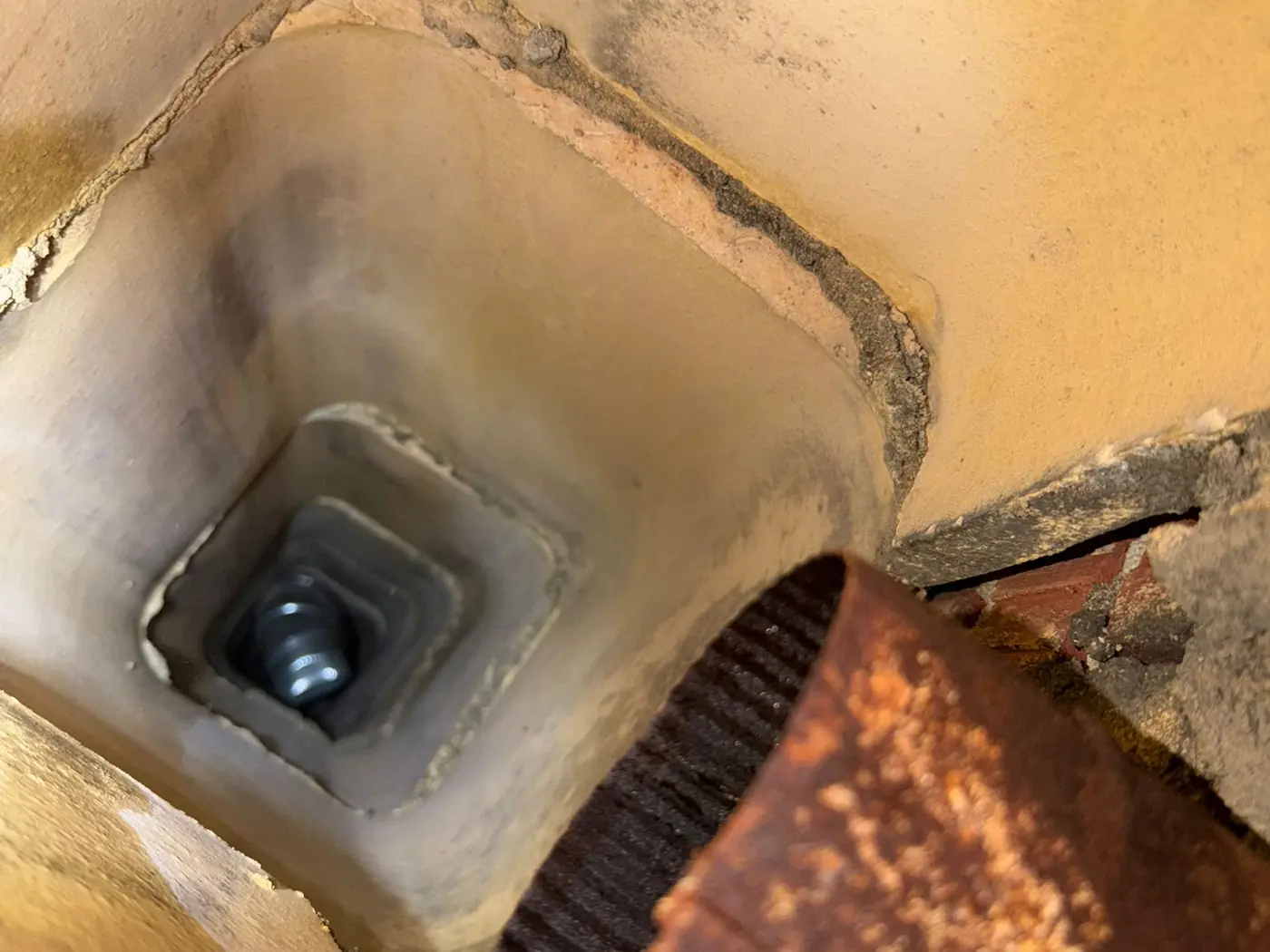
Chimney technician on a roof fitting a new metal liner and cap to a rebuilt brick chimney View straight down a clean square chimney flue liner after sweeping Galvanised vent pipe running from an appliance into a brick chimney wall
Chimney Liner Repair & Relining Options

The Right Solution Depends on the Existing Flue and How the Chimney Is Used

Different chimney systems can require different liner solutions. The correct choice should be based on the actual configuration, condition and appliance or fireplace use.

Brick firebox with a gas log set in a furnished living room
Evaluate

Existing Liner Assessment

When damage appears limited or the condition is uncertain, the first step is to determine whether the existing liner remains serviceable or needs more extensive work.

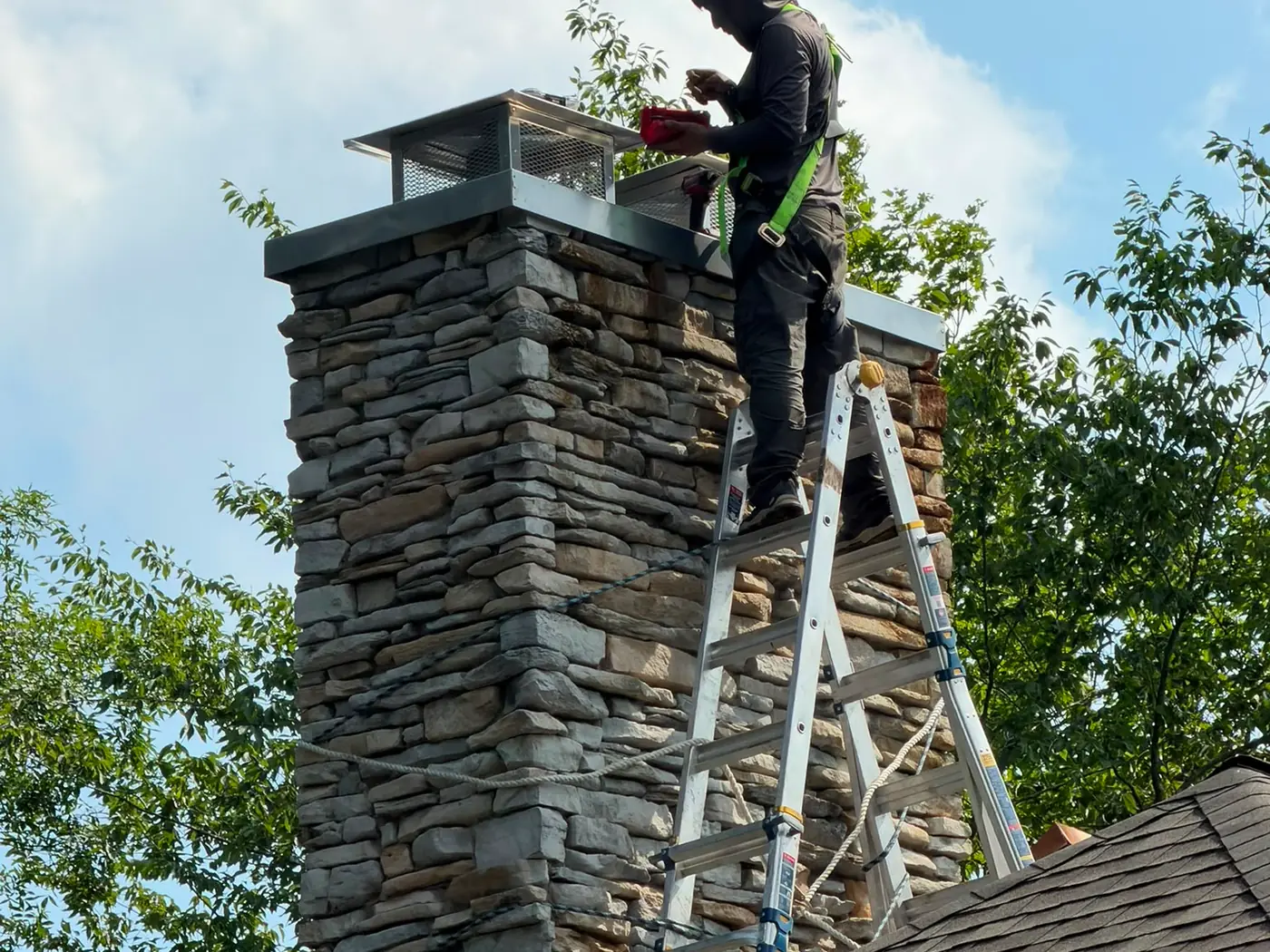
Chimney technician on a ladder inspecting the top of a stone chimney
Repair

Localized Liner Repair

Some conditions may be limited enough for a targeted repair approach, depending on liner type and accessibility.
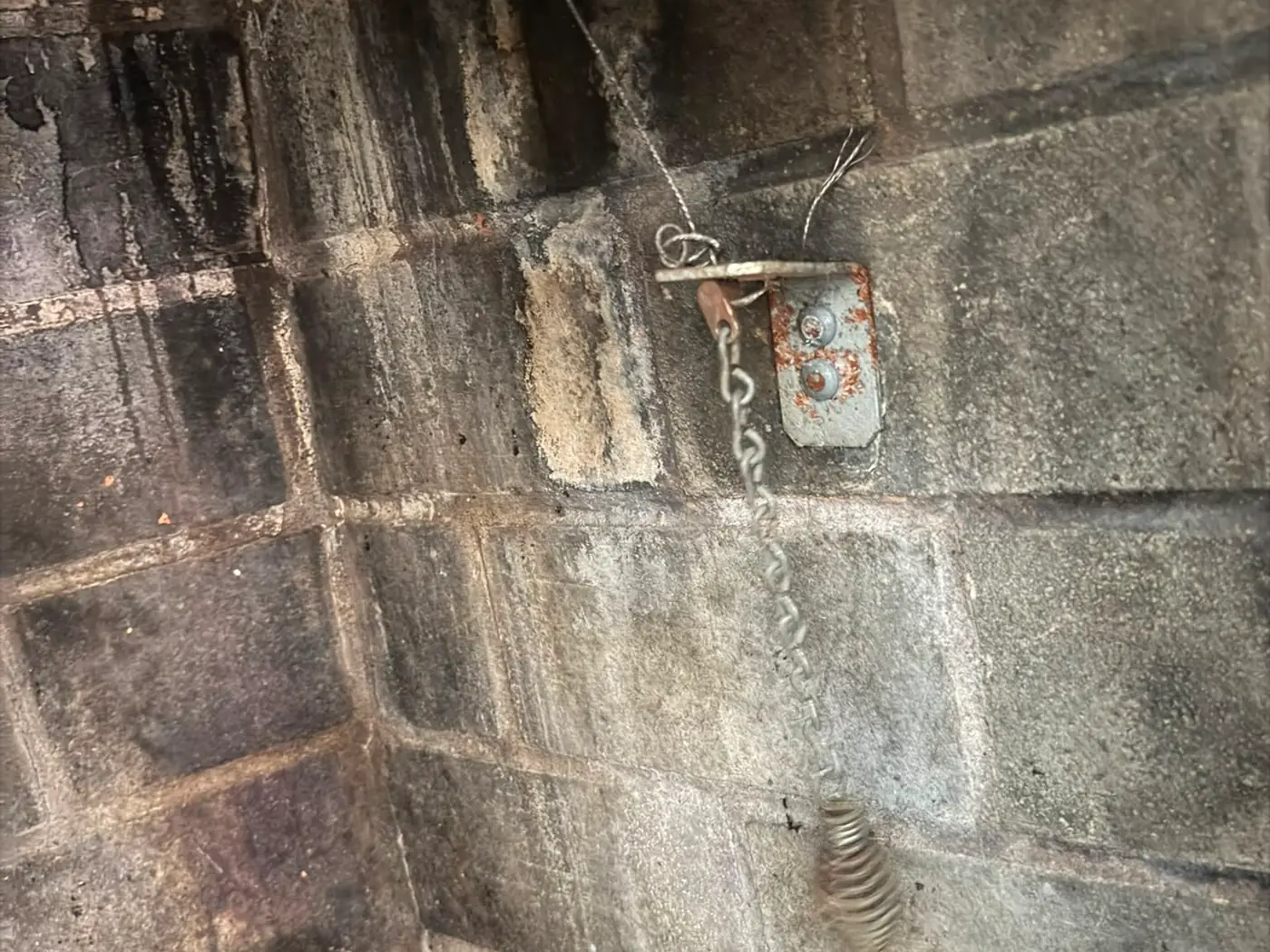
Close view of weathered mortar joints in a soot stained masonry chimney wall before tuckpointing
Reline

Chimney Relining

When the existing liner is too deteriorated or unsuitable for continued service, a new lining system may need to be considered.

Repair or Reline?

Not Every Liner Concern Automatically Means a Full Replacement

The scope depends on how extensive the deterioration is and what type of liner is present.

Repair May Be Considered When

  • The issue is localized and accessible
  • The majority of the liner remains serviceable
  • The liner type allows an appropriate targeted repair
  • The chimney’s current use remains compatible with the existing system
  • Further evaluation does not show widespread deterioration

Relining May Be Considered When

  • Deterioration extends through larger portions of the flue
  • Sections are missing, badly cracked or otherwise unsuitable
  • Prior repairs no longer provide a practical solution
  • The current liner no longer matches the intended use of the chimney
  • A more complete internal venting solution is appropriate
Chimney Liner Service for Shaker Heights Homes

Older East Side Homes Often Have Fireplace Systems With Long Maintenance Histories

A Shaker Heights chimney may have been built generations ago, updated later, repaired again, and then inherited by a new homeowner with little documentation.

That makes liner evaluation especially useful when buying an older home, bringing an unused fireplace back into service or investigating a chimney with an unclear repair history.

CrownStone serves homeowners throughout Shaker Heights, including Boulevard, Fernway, Lomond, Ludlow, Malvern, Mercer, Moreland, Onaway and Sussex, along with nearby East Side communities.

BoulevardFernwayLomondLudlowMalvernMercerMorelandOnawaySussex
Older homes deserve condition-based recommendations.
From Shaker Square and Larchmere to Van Aken, chimney systems can reflect decades of different repairs and ownership.
Exterior Weather Can Affect Interior Chimney Conditions

Moisture Problems Outside Can Eventually Matter Inside the Flue

Water entering through crown cracks, failed masonry or other chimney defects can contribute to deterioration around the larger chimney system. Liner condition should therefore be considered alongside crown, cap, masonry and leak issues rather than treated as an isolated component.
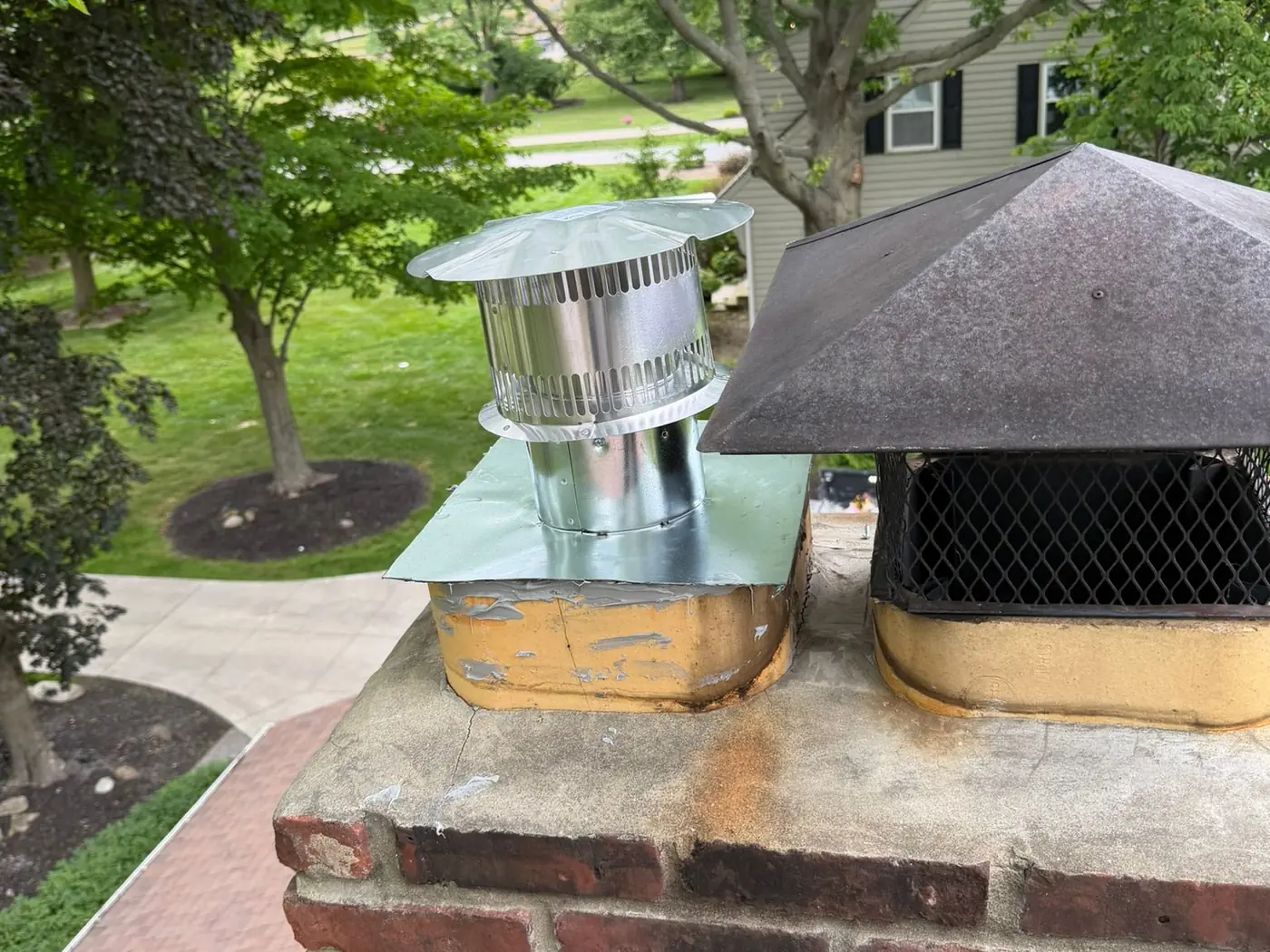
CrownTop-side defects can allow moisture deeper into the chimney.
MasonryOpen joints and spalling brick can increase water exposure.
FlueInterior venting conditions should be evaluated in context.
FireplaceInterior symptoms may connect to problems farther up the system.
Chimney Liner FAQs

Questions Shaker Heights Homeowners Ask About Liners and Relining

Clear answers about a chimney component most homeowners never see directly.

The liner forms the internal venting passage that carries combustion gases through the chimney and helps separate that path from the surrounding masonry structure.
Most liner damage is not easy to diagnose from the living room. Inspection findings, visible cracking, falling liner material or an unclear maintenance history are common reasons to have the liner evaluated more closely.
No. Age alone does not determine whether relining is necessary. The condition, liner type and intended use of the chimney should guide the recommendation.
Sometimes, depending on the liner type, location and extent of the damage. More widespread deterioration may make relining the more appropriate option.
Relining means installing a new lining system inside the chimney to create an appropriate internal venting path when the existing liner is no longer suitable.
Moisture problems elsewhere in the chimney can contribute to deterioration within the larger system, so crown, cap, masonry and leak conditions should be considered alongside liner concerns.
If the chimney and fireplace maintenance history is unclear, a focused evaluation is a sensible way to understand the existing system before regular use.
Draft problems can have multiple causes. Liner condition may be one factor, but the chimney should be evaluated as a complete venting system rather than assuming the liner is automatically responsible.
Yes. CrownStone Chimney Solutions serves Shaker Heights and nearby Cleveland East Side communities, with a focus on older residential masonry chimney systems.
Understand the Flue Before You Decide on the Repair

Need Chimney Liner Repair or Relining in Shaker Heights?

If an inspection found liner deterioration, the maintenance history is unclear, or an older fireplace is being brought back into service, CrownStone Chimney Solutions can help determine whether the right next step is repair, relining or further evaluation.