Help Keep Rain, Debris and Animals Out of the Flue
A chimney cap is a small component with a big job. Installed over the flue opening, it helps protect the chimney from rain, leaves, nesting material and animal entry while allowing the system to vent.
CrownStone Chimney Solutions installs and replaces chimney caps for homeowners throughout Shaker Heights and Cleveland’s East Side.
Without a cap, the flue opening is more exposed to the weather and the outside environment.
01
Helps Keep Rain OutA cap reduces the amount of direct rain entering through the top of the flue.
02
Helps Block Leaves and DebrisBranches, leaves and windblown material are less likely to fall directly into the chimney.
03
Helps Discourage AnimalsAppropriate screening can help reduce access for birds and small animals.
04
Protects the Flue OpeningA properly fitted cap adds another layer of protection to the top of the chimney system.
Signs You May Need a New Chimney Cap
Missing Is Obvious. Damaged Is Sometimes Harder to Spot.
A cap may still be sitting on the chimney while no longer doing its job well. These are common reasons to have it checked.
01
No Cap Installed
The flue opening is directly exposed to rain, leaves and animals.
02
Loose or Crooked Cap
Movement can indicate that the cap is no longer securely attached.
03
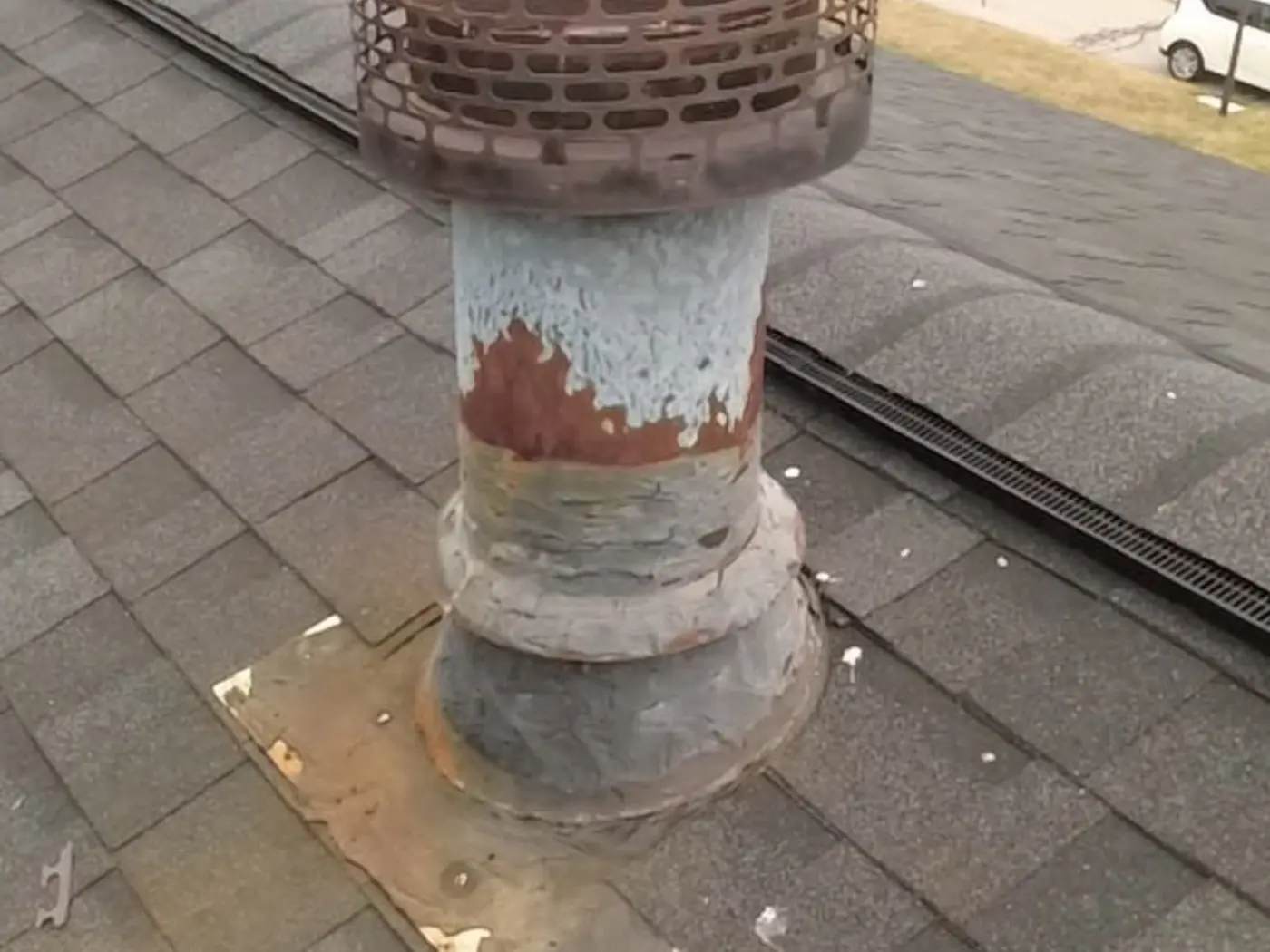
Rust or Corrosion
Visible deterioration may weaken the cap or screening over time.
04
Bent or Damaged Top
Storms, debris or age can distort the cap and reduce protection.
05
Broken Screening
Open or missing mesh can allow birds, animals and debris to enter more easily.
06
Repeated Water Entry
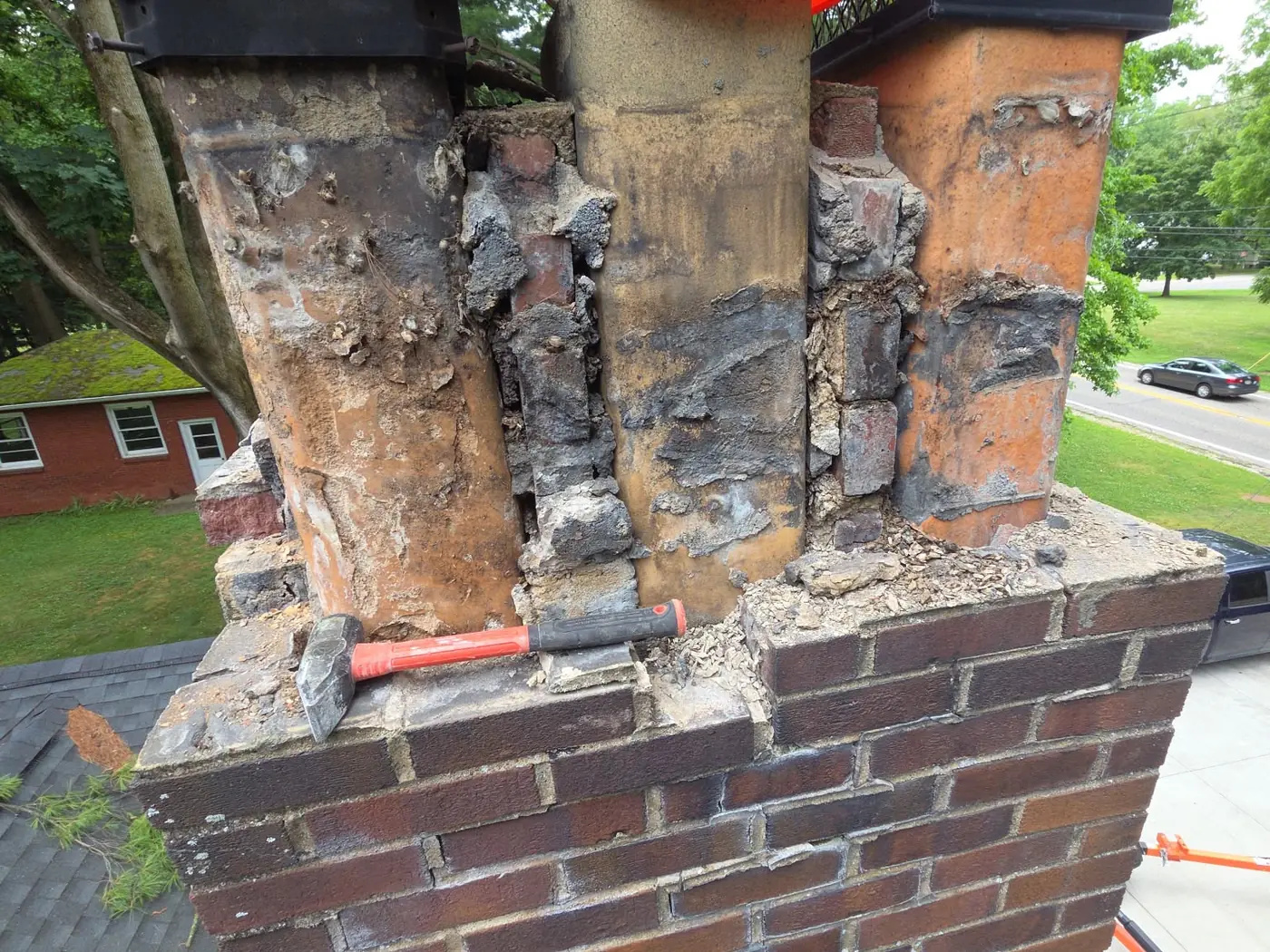
If rain appears to enter through the flue opening, cap condition should be considered along with crown and masonry conditions.
Missing Cap vs. Proper Cap
A Small Upgrade Can Protect a Very Exposed Opening
Without Proper Protection
More Direct Exposure
Rain can enter the open flue more directly
Leaves and loose debris can fall inside
Birds and animals may gain easier access
Nesting material may create blockage concerns
With a Properly Fitted Cap
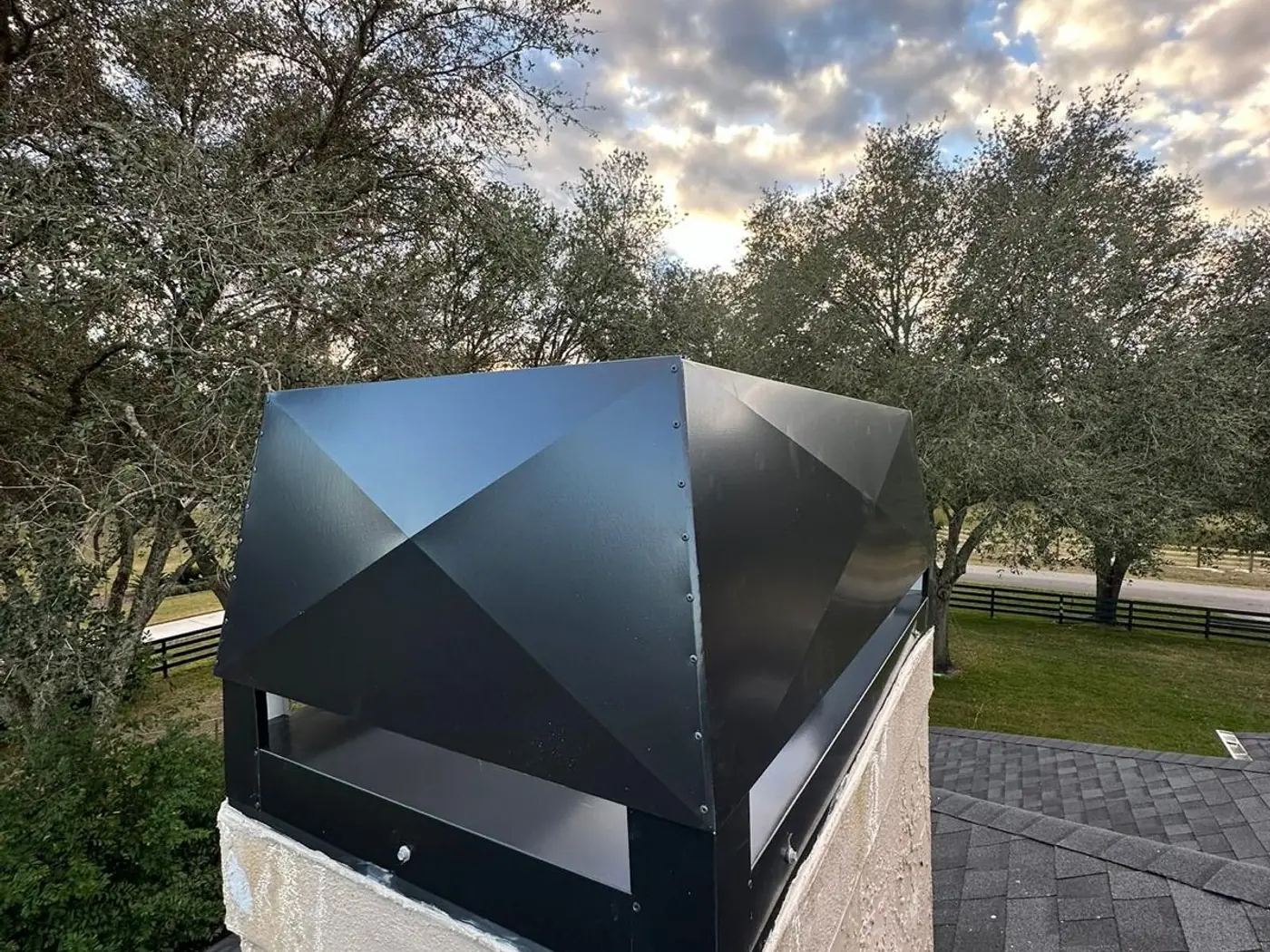
Added Protection at the Flue Opening
Direct rainfall into the flue is reduced
Debris entry is limited
Screening can help deter birds and small animals
The cap can be checked with the crown and upper masonry
Cap Installation Options
The Right Cap Depends on the Chimney Configuration
Flue size, number of flues, crown layout and existing conditions all affect the appropriate solution.
01
Single-Flue Cap
Designed around one flue opening when the chimney configuration allows a straightforward individual cap.
02
Multi-Flue / Larger Coverage
Some chimney tops have multiple flues or layouts that may call for a broader protective solution.
03
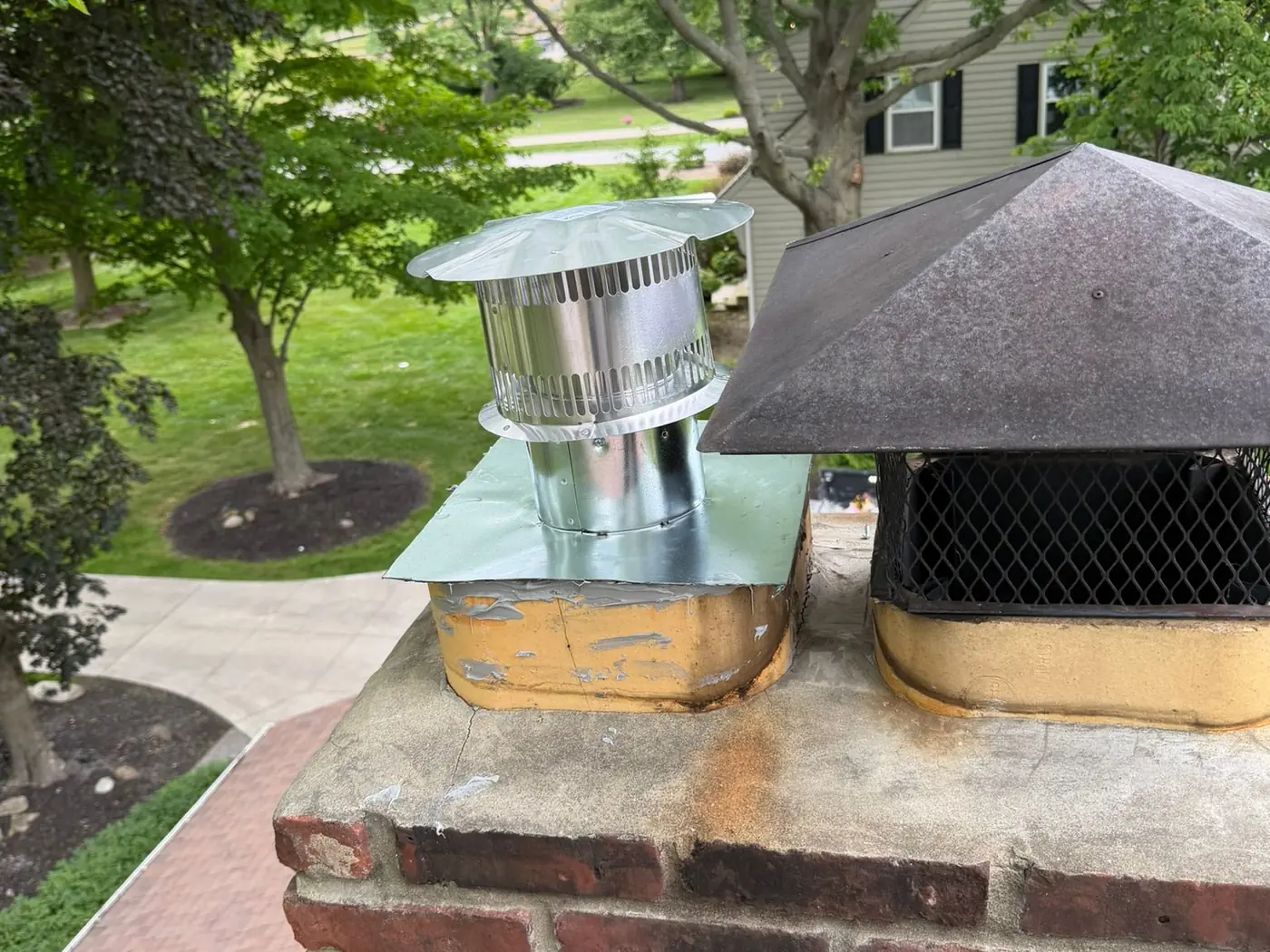
Replacement Cap
When an existing cap is rusted, bent, loose or damaged, replacement may be more practical than continued repair.
Cap vs. Crown
These Two Parts Work Near Each Other, But They Are Not the Same
Chimney Cap
Protects the Flue Opening
The cap is a separate protective component installed over the flue. Its job is primarily to reduce direct entry of rain, debris and animals while allowing venting.
Chimney Crown
Protects the Top of the Masonry Stack
The crown is the masonry surface around the flue opening. It helps shed water away from the brick and mortar below.
Chimney Cap Installation for Shaker Heights Homes
Older East Side Chimneys Often Have Unique Rooflines and Flue Configurations
Shaker Heights homes range from tall brick Tudors and Colonials to other older masonry properties with single or multiple flues.
That means the cap should be selected for the actual chimney top, not chosen from a generic one-size-fits-all assumption.
CrownStone serves homeowners throughout Shaker Heights, from the neighborhoods near Shaker Square and Larchmere to Fernway, Onaway, Lomond, Mercer and the Van Aken side of the city.
From Shaker Boulevard to Van Aken Prominent chimneys and varied flue layouts make correct cap fit especially important on older homes.
Northeast Ohio Weather Protection
A Cap Works Every Day, Even When You Are Not Using the Fireplace
The chimney stays exposed through spring rain, summer storms, fall leaves, snow and winter freeze-thaw cycles. A properly fitted cap is one simple way to reduce direct exposure at the flue opening.
RainHelps reduce direct rainfall into the flue opening.
LeavesHelps limit windblown debris entering from above.
AnimalsScreening can help discourage nesting and entry.
SnowProvides added protection at the top during winter weather.
Our Chimney Cap Process
Fit the Cap to the Chimney, Not the Other Way Around
01
Inspect the Top
Review the existing cap, flue opening, crown and surrounding upper masonry.
02
Confirm the Configuration
Determine whether the chimney has one flue, multiple flues or another layout requiring a different solution.
03
Install or Replace
Fit the appropriate cap and secure it according to the chimney configuration.
04
Check Nearby Components
Review crown and upper masonry conditions so an obvious water or masonry problem is not ignored.
Related Chimney Services
Cap Problems Often Show Up Alongside Crown or Water Issues
Chimney Crown Repair
If water is reaching the masonry around the flue, crown condition should be evaluated along with the cap.
Questions Shaker Heights Homeowners Ask About Chimney Caps
Simple answers about what a cap does, when it needs replacement and how it differs from the chimney crown.
A chimney cap helps protect the flue opening from direct rain, leaves, debris and animal entry while allowing the chimney to vent.
Many residential chimney systems benefit from an appropriate cap, but the right solution depends on the flue and chimney configuration.
No. The cap is installed over the flue opening. The crown is the masonry surface that covers the top of the chimney structure around the flue.
A missing cap can allow more direct rain into the flue opening. However, chimney leaks can also come from the crown, masonry, flashing or other areas.
Yes. Birds and small animals may enter an open flue. Appropriate screening on a chimney cap can help reduce access.
If rust or corrosion has weakened the cap, screening or attachment points, replacement may be more practical than continued repair.
Yes. Older chimneys can have varied flue sizes and configurations, so the cap should be selected based on the actual chimney top.
Yes. Because the cap and crown are both at the top of the chimney, it makes sense to review the crown and nearby upper masonry when the area is accessible.
No. A cap helps with direct exposure at the flue opening, but leaks may also come from crown cracks, masonry, flashing or other conditions.
Protect the Flue Opening
Need Chimney Cap Installation or Replacement in Shaker Heights?
If your cap is missing, loose, rusted or damaged, or if leaves, rain or animals are getting into the flue, CrownStone Chimney Solutions can help determine the right cap solution for your chimney configuration.