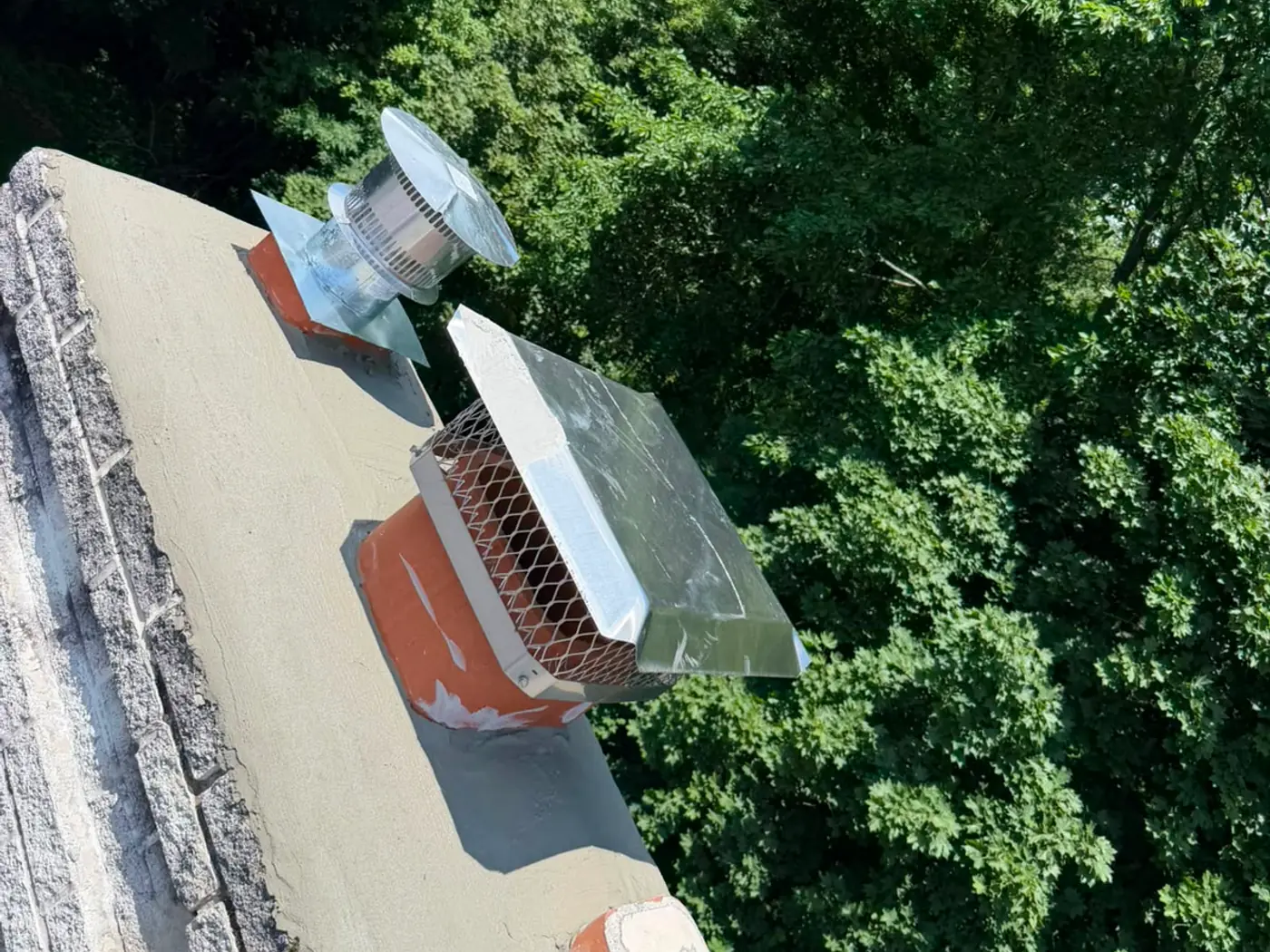
Chimney Masonry Specialists • Shaker Heights, Ohio

Chimney Masonry Repair & Tuckpointing

Brick and mortar can last for generations, but they do not age at the same rate. CrownStone Chimney Solutions repairs deteriorated chimney masonry, failing mortar joints, spalling brick and weathered chimney stacks throughout Shaker Heights and Cleveland's East Side.

Our approach is built around two goals: restore the masonry where it is failing and make the finished work look like it belongs on the home.

Built for Shaker's older brick homes.
Prominent chimney stacks are often part of the architecture, not merely a functional vent.
Repair the Masonry, Preserve the Character

Older Chimneys Need More Than a Quick Surface Patch

When mortar begins to fail, smearing new material over the surface can hide the symptom without addressing the deteriorated joint underneath.

On many Shaker Heights homes, the chimney is a visible architectural feature. Brick color, mortar appearance, joint profile and roofline proportions all matter. Masonry work should strengthen the chimney without making the repair look like it came from a different house.

That is why CrownStone evaluates brick and mortar separately. Sometimes the brick is still serviceable and the mortar is the primary problem. In other cases, both materials are deteriorating and the repair scope needs to reflect that.

01
Mortar-focused repairAddress joints that are recessed, cracked, missing or no longer protecting the brickwork.
02
Brick replacement when neededIndividual damaged bricks may need replacement when they are no longer serviceable.
03
Appearance mattersOlder homes deserve clean masonry work that respects the surrounding structure.
What Kind of Masonry Problem Is It?

Brick Failure and Mortar Failure Are Not the Same Thing

The right repair depends on what is actually deteriorating. These are some of the conditions homeowners most often notice from the ground.

Mortar

Recessed Joints

Mortar has weathered back from the face of the brick and no longer fills the joint as it once did.

Mortar

Cracked or Missing Mortar

Open joints create more opportunity for water to enter and can accelerate surrounding deterioration.

Brick

Spalling Brick

The outer face flakes, peels or breaks away, leaving rough exposed surfaces.

Brick

Loose or Broken Brick

Individual units may become unstable, fractured or displaced as mortar and weathering progress.

Moisture

White Staining

Recurring mineral staining can be a clue that moisture is moving through the masonry.

Structure

Widespread Deterioration

When damage extends beyond a few joints or bricks, the chimney may need a broader repair plan.

What Proper Repair Should Accomplish

From Deteriorated Joints to a More Stable Masonry Surface

Tuckpointing is most useful when the brick remains serviceable but the surrounding mortar has deteriorated enough to require removal and replacement.

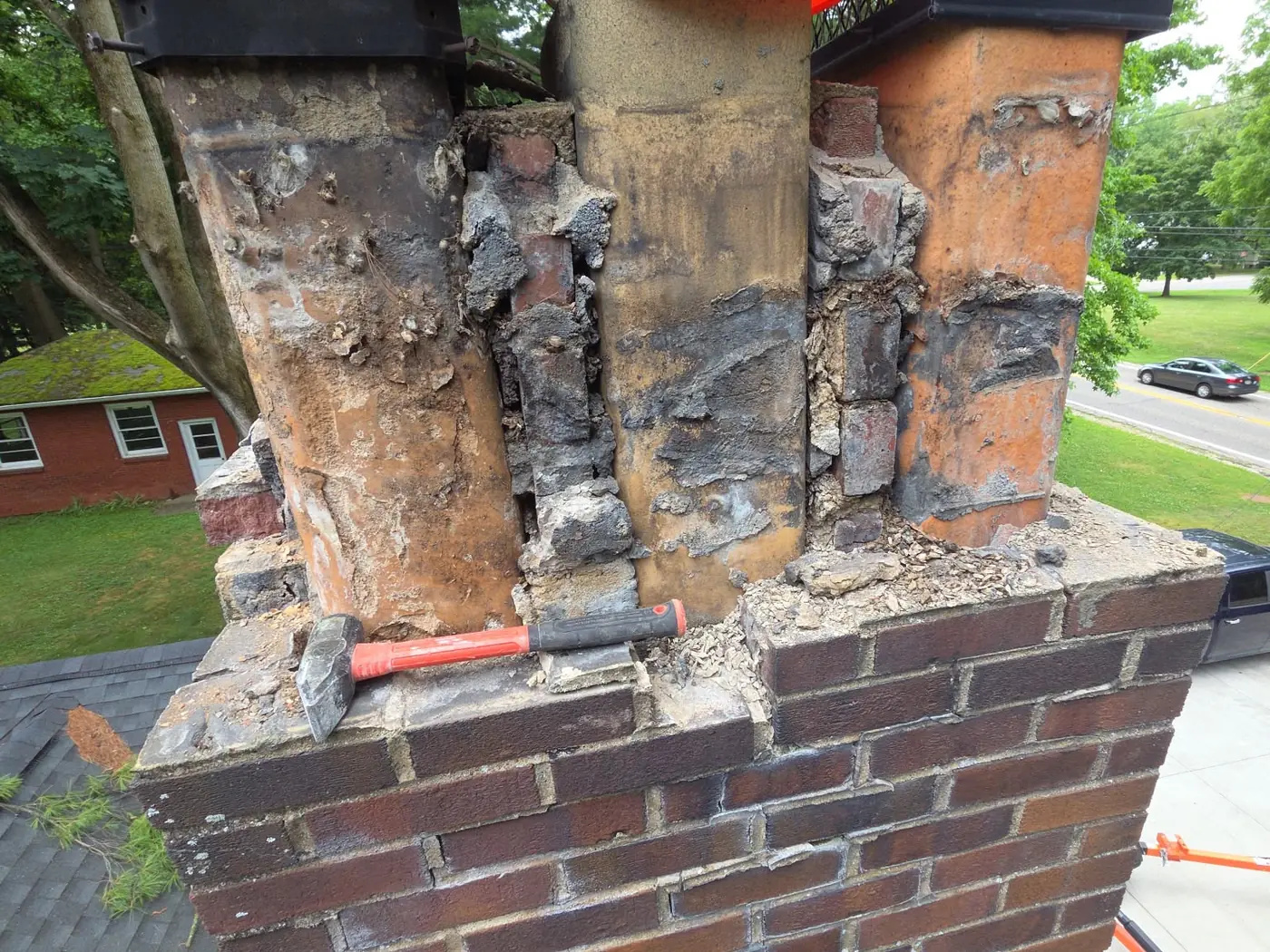
Badly deteriorated chimney top with exposed clay flue tiles and crumbling mortar awaiting repair
Before Repair

Signs of Deterioration

  • Open or recessed mortar joints
  • Cracks through mortar
  • Loose surface material
  • Staining and moisture exposure
  • Previous patching separating from the chimney
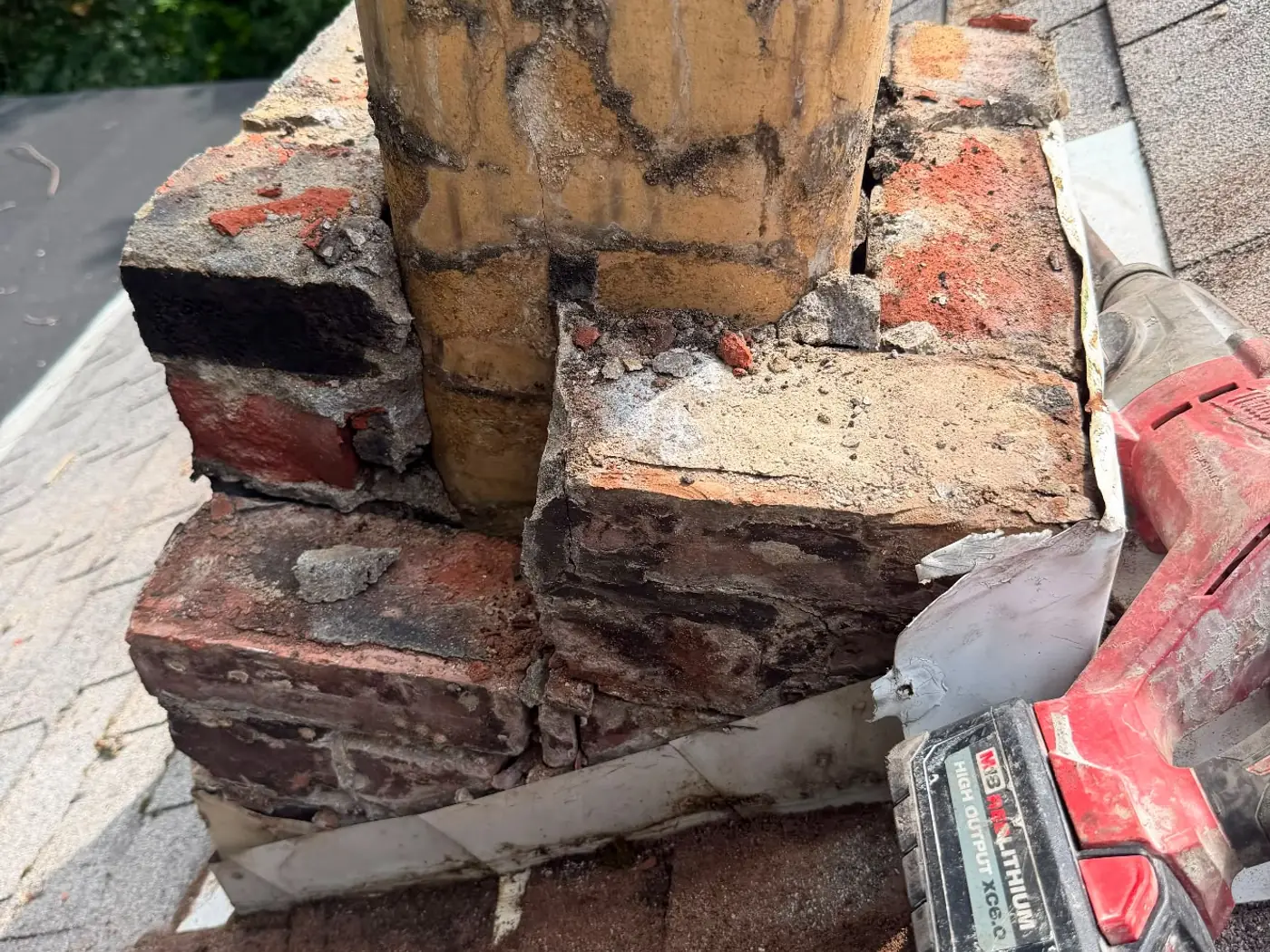
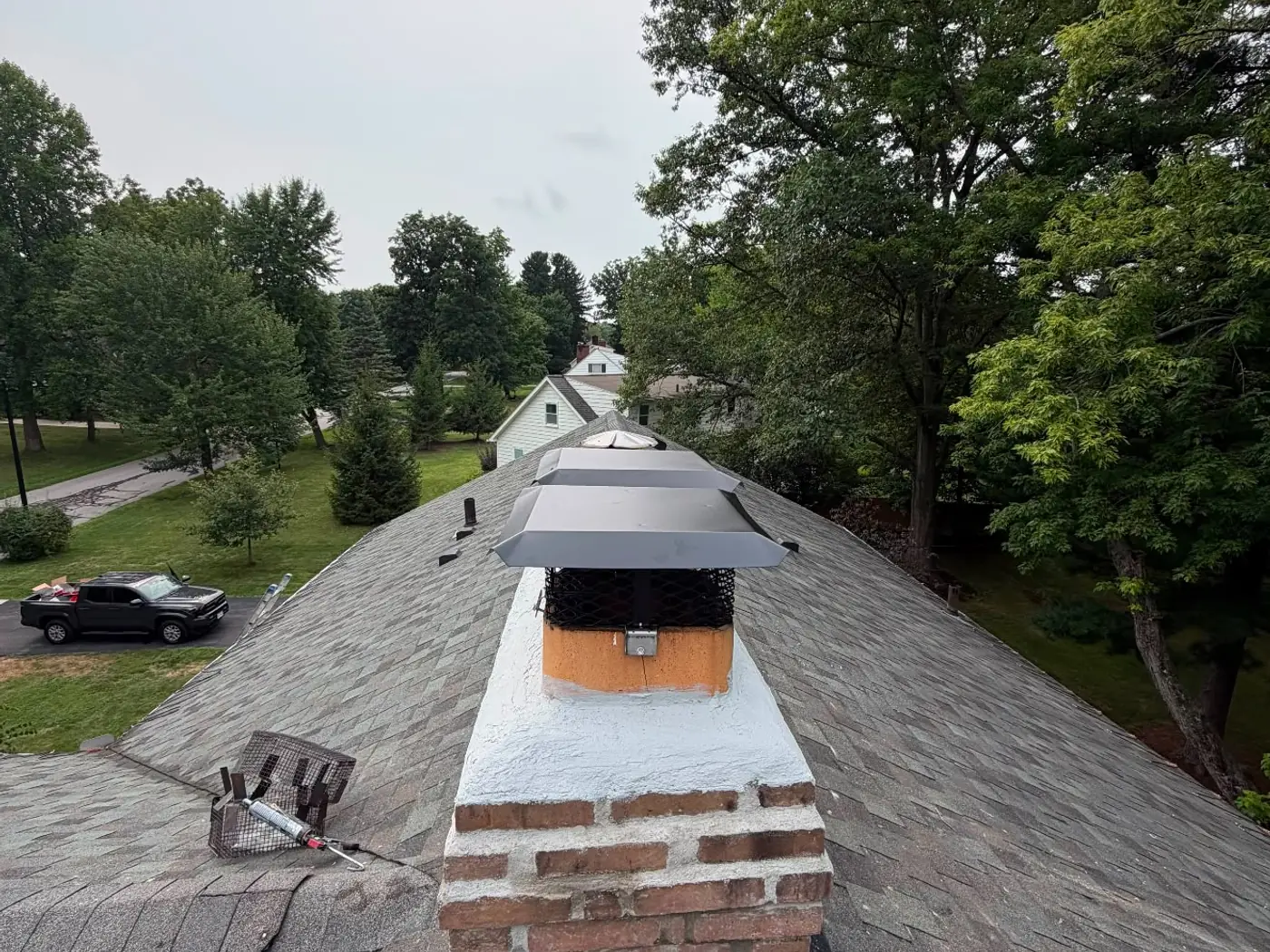
Partially rebuilt brick chimney with fresh masonry and tools on the roof mid repair
Repair Goal

What We Are Trying to Restore

  • Filled, properly finished mortar joints
  • Sound brick retained where practical
  • Damaged brick replaced where necessary
  • Cleaner appearance without heavy surface smearing
  • A scope based on actual condition
Our Tuckpointing Approach

Repair the Joint, Not Just the Surface

Good tuckpointing starts by removing mortar that has actually failed. New mortar placed over loose material is only as strong as the surface underneath it.

01
Evaluate the affected areaDetermine whether the issue is mortar loss, brick damage or broader deterioration.
02
Remove failing mortarUnsound joint material is removed where tuckpointing is appropriate.
03
Repoint the jointNew mortar is installed and finished to restore the joint.
04
Review surrounding masonryDamaged brick, crown concerns and moisture patterns are considered with the repair.
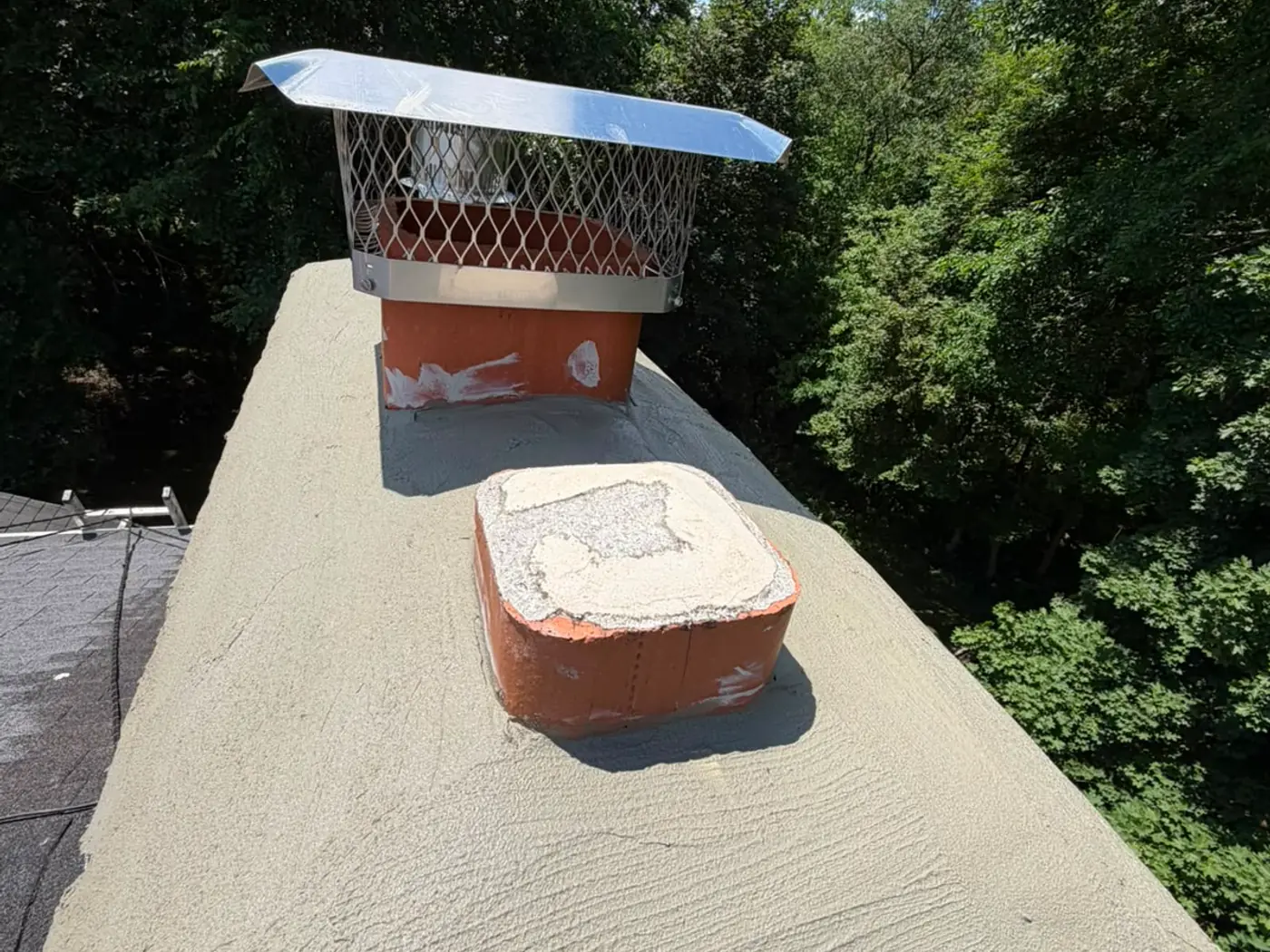
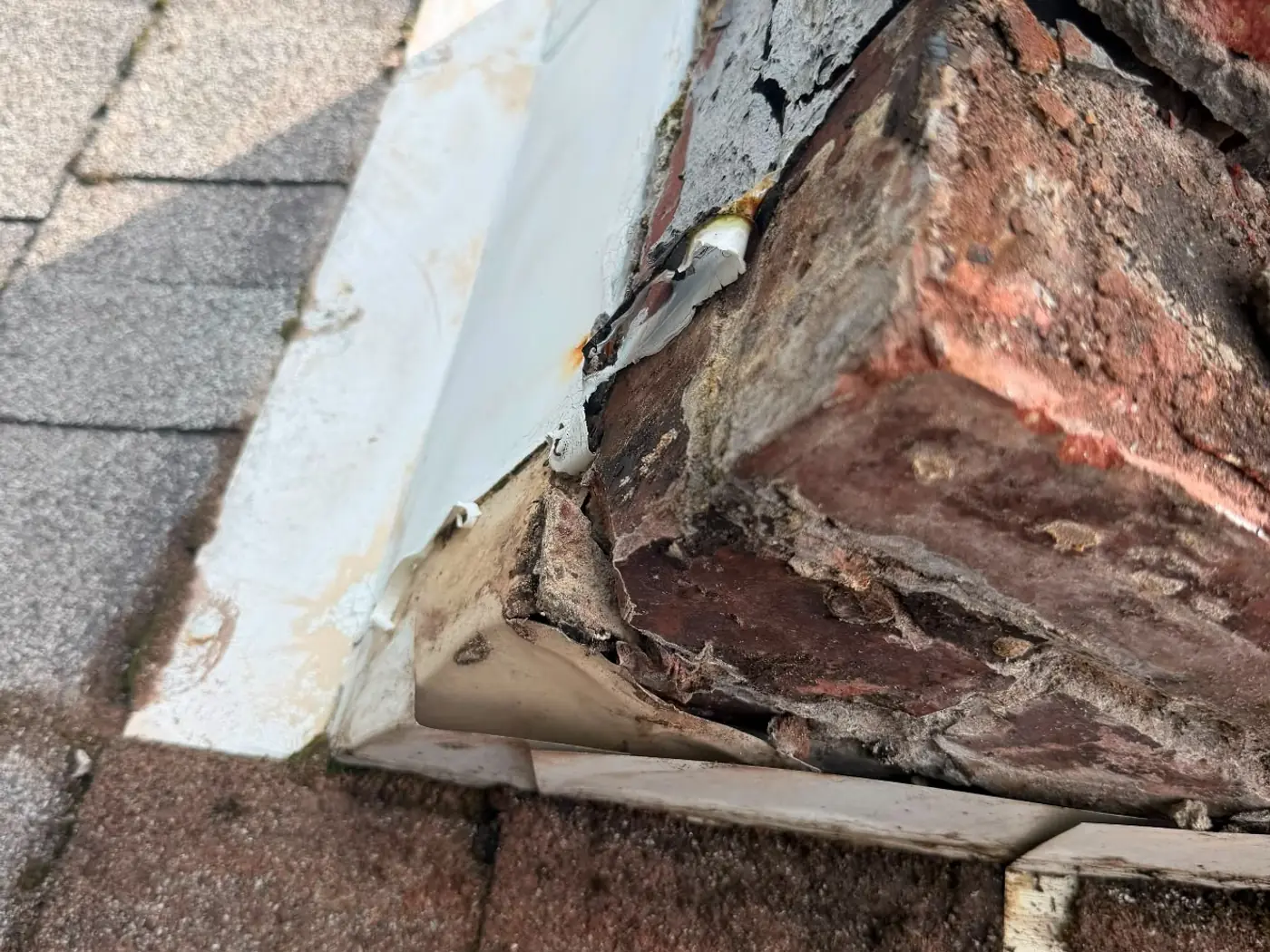
Rebuilt chimney crown finished in fresh mortar seen along a residential rooflineFreshly poured chimney crown with a new stainless cap fitted over the flueFailed chimney flashing and eroded mortar at the roof line where water has been entering
Repair or Rebuild?

Not Every Damaged Chimney Needs to Be Rebuilt

The extent of deterioration matters. Localized masonry problems can often be approached differently from a chimney with widespread deterioration or movement.

Targeted Repair May Make Sense When

  • Deterioration is limited to specific mortar joints
  • A small number of bricks are damaged
  • The main stack remains generally stable
  • Previous repairs have failed only in localized areas
  • The crown or moisture source can be addressed separately

Broader Rebuilding May Need Consideration When

  • Mortar failure is widespread
  • Many bricks are loose or severely deteriorated
  • The upper stack shows movement or instability
  • Repeated patching has not solved the problem
  • Isolated repairs no longer provide a sensible scope
Masonry Repair for Shaker Heights Homes

Prominent Chimneys Deserve Repair Work That Respects the Architecture

In Shaker Heights, chimney masonry is often part of what gives the home its visual identity.

Brick Tudors, Colonial Revival homes and other older properties throughout Shaker commonly use masonry as a defining exterior material. That means careless patching can become very visible from the street.

CrownStone approaches chimney masonry with the age, appearance and condition of the existing structure in mind. The goal is not to make an old chimney look brand new, it is to make the repair look appropriate to the home while addressing the actual deterioration.

BoulevardFernwayLomondLudlowMalvernMercerMorelandOnawaySussex
From Shaker Boulevard to Van Aken
Older brick, stone details and prominent roofline chimneys are a familiar part of the East Side housing stock.
Why Masonry Deteriorates Here

Northeast Ohio Weather Keeps Working on the Chimney Long After the Fire Is Out

Exterior masonry sits through rain, snow, ice and repeated temperature changes. Once joints open or brick surfaces deteriorate, moisture can move deeper into the chimney and contribute to more visible damage over time.

1. Water Reaches MasonryRain and melting snow contact crowns, brick faces and mortar joints.
2. Moisture Finds Weak AreasCracks and missing mortar can allow more absorption.
3. Temperatures DropMoisture within vulnerable masonry is exposed to freezing conditions.
4. Deterioration ProgressesOver repeated seasons, mortar loss, cracking and spalling can become more visible.
Masonry Services We May Recommend

One Chimney Can Need More Than One Type of Masonry Repair

The correct scope depends on what has actually failed. CrownStone may recommend one or a combination of the following.

01

Tuckpointing / Repointing

Remove and replace deteriorated mortar joints where surrounding brick remains appropriate to retain.

02

Brick Replacement

Replace individual bricks that are severely spalled, fractured or no longer serviceable.

03

Localized Masonry Repair

Address smaller areas where deterioration is limited and the larger chimney remains in reasonable condition.

04

Chimney Crown Repair

Repair crown deterioration when the top of the chimney is contributing to water exposure.

05

Moisture-Related Repair

Address masonry defects that may be allowing rain and snowmelt to move into the chimney.

06

Partial Rebuilding

When deterioration is too extensive for spot repairs, the affected portion may need a broader rebuild.

Masonry & Tuckpointing FAQs

Questions Shaker Heights Homeowners Ask About Brick and Mortar Repair

Useful answers for homeowners deciding whether the problem is mostly mortar, brick or something broader.

Tuckpointing or repointing removes deteriorated mortar from masonry joints and replaces it with new mortar. The purpose is to restore the joint itself rather than simply covering the face of the masonry.
Common signs include recessed mortar joints, cracking, missing mortar, loose material and visible openings between otherwise serviceable bricks. An evaluation helps distinguish mortar failure from brick failure.
Spalling occurs when the outer surface of a brick begins to flake, peel or break away. Moisture exposure and repeated freeze-thaw conditions can contribute to this deterioration.
Surface patching over unsound mortar may not address the failed material underneath. Proper tuckpointing generally involves removing deteriorated joint material where appropriate before new mortar is installed.
No. Some problems are localized and may be appropriate for targeted mortar or brick repair. Rebuilding is more likely to be considered when deterioration is widespread or the chimney shows broader stability concerns.
White mineral staining can be associated with moisture moving through masonry. The staining does not identify the exact source, so the crown, mortar, brick and other water-entry points may need evaluation.
Often, yes, when damage is limited to specific bricks and surrounding masonry remains serviceable. The repair scope should be based on how widespread the deterioration is.
No. Appearance matters, particularly on older Shaker Heights homes, but the primary purpose is to restore deteriorated mortar joints and improve masonry condition.
Repair the Masonry Before More of It Is Lost

Need Chimney Masonry Repair or Tuckpointing in Shaker Heights?

If mortar is falling out, bricks are flaking, previous patches are failing or the chimney looks more weathered every season, CrownStone Chimney Solutions can help determine whether targeted masonry repair, tuckpointing or broader restoration makes sense.