Chimney Leak Repair • Shaker Heights, Ohio

Stop Guessing Where the Chimney Leak Is Coming From

Water around a fireplace, chimney breast or ceiling does not automatically mean the roof is the problem. Chimney leaks can start at the crown, cap, brick, mortar joints, flashing or other vulnerable points around the roofline.

CrownStone Chimney Solutions helps Shaker Heights homeowners identify likely water-entry points before recommending repair or waterproofing.

Cap
Crown
Brick & Mortar
Flashing
Interior Clues
Where Chimney Leaks Commonly Start

Follow the Water Path, Not Just the Stain

A water mark inside the house may show where moisture ended up, not necessarily where it entered.

01
Chimney CrownCracks or deterioration at the top of the chimney can let water into the masonry below.
02
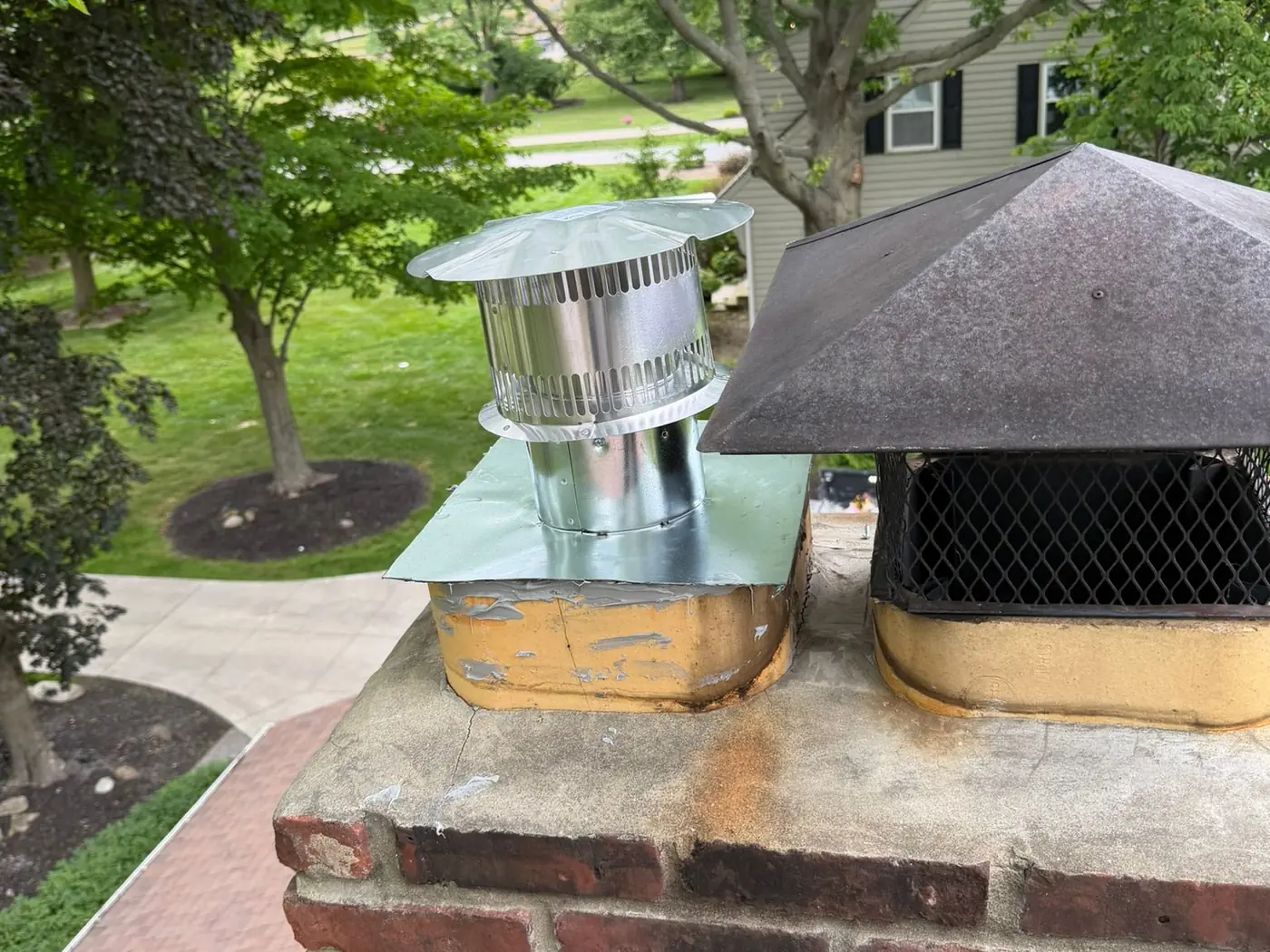
Chimney CapA missing, damaged or poorly fitted cap can leave the flue opening more exposed to rain and debris.
03
Brick & MortarOpen joints, spalling brick and deteriorated masonry can absorb and move moisture through the chimney structure.
04
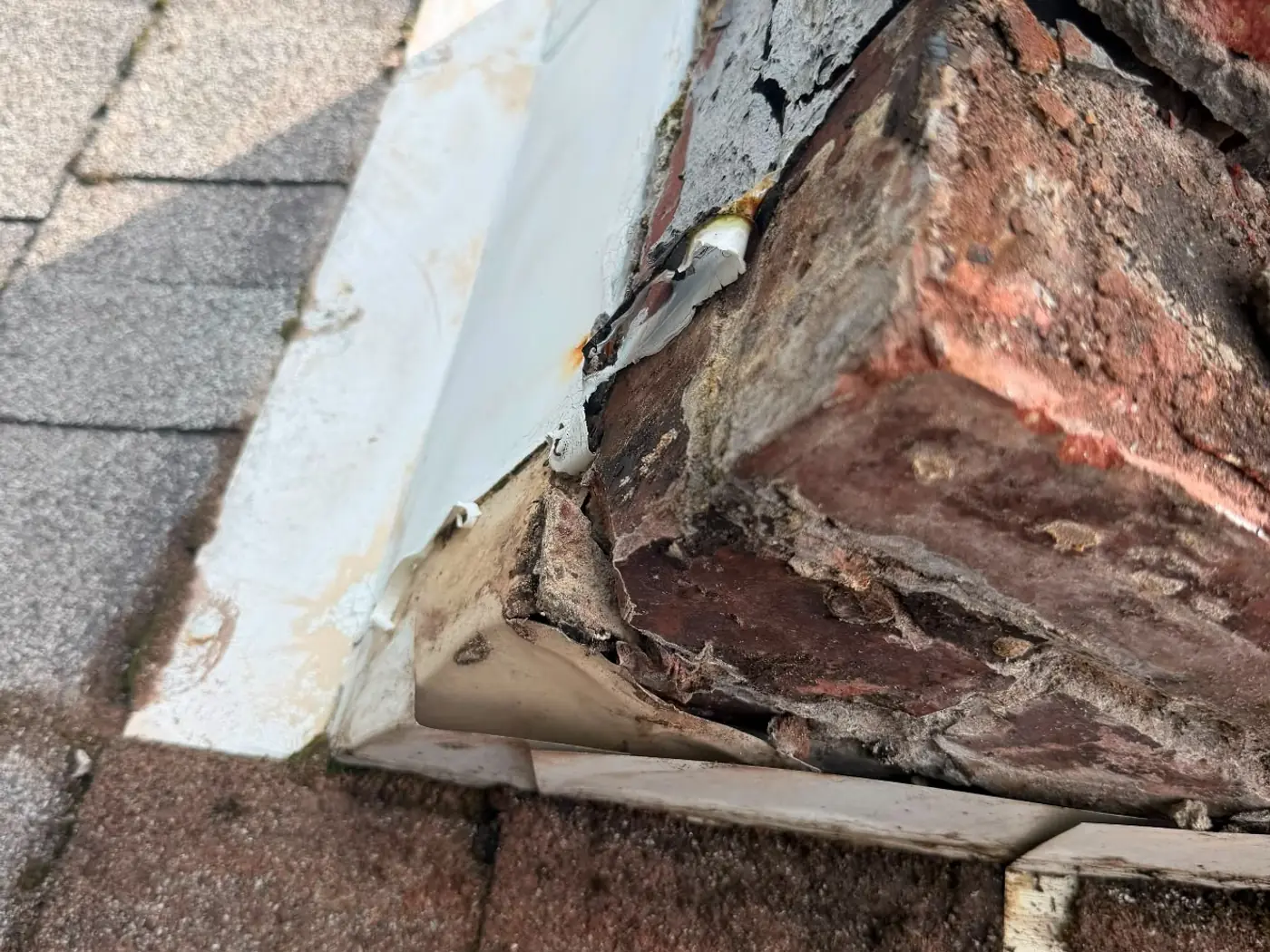
Flashing / RooflineThe transition where the chimney meets the roof is another common place for water to enter.
05
Interior PathWater may travel before it becomes visible around the fireplace, wall or ceiling.
Signs of a Chimney Moisture Problem

What Homeowners Usually Notice First

You do not need to diagnose the leak yourself. These symptoms are simply clues that the chimney and surrounding roofline deserve a closer look.

Water in the Fireplace

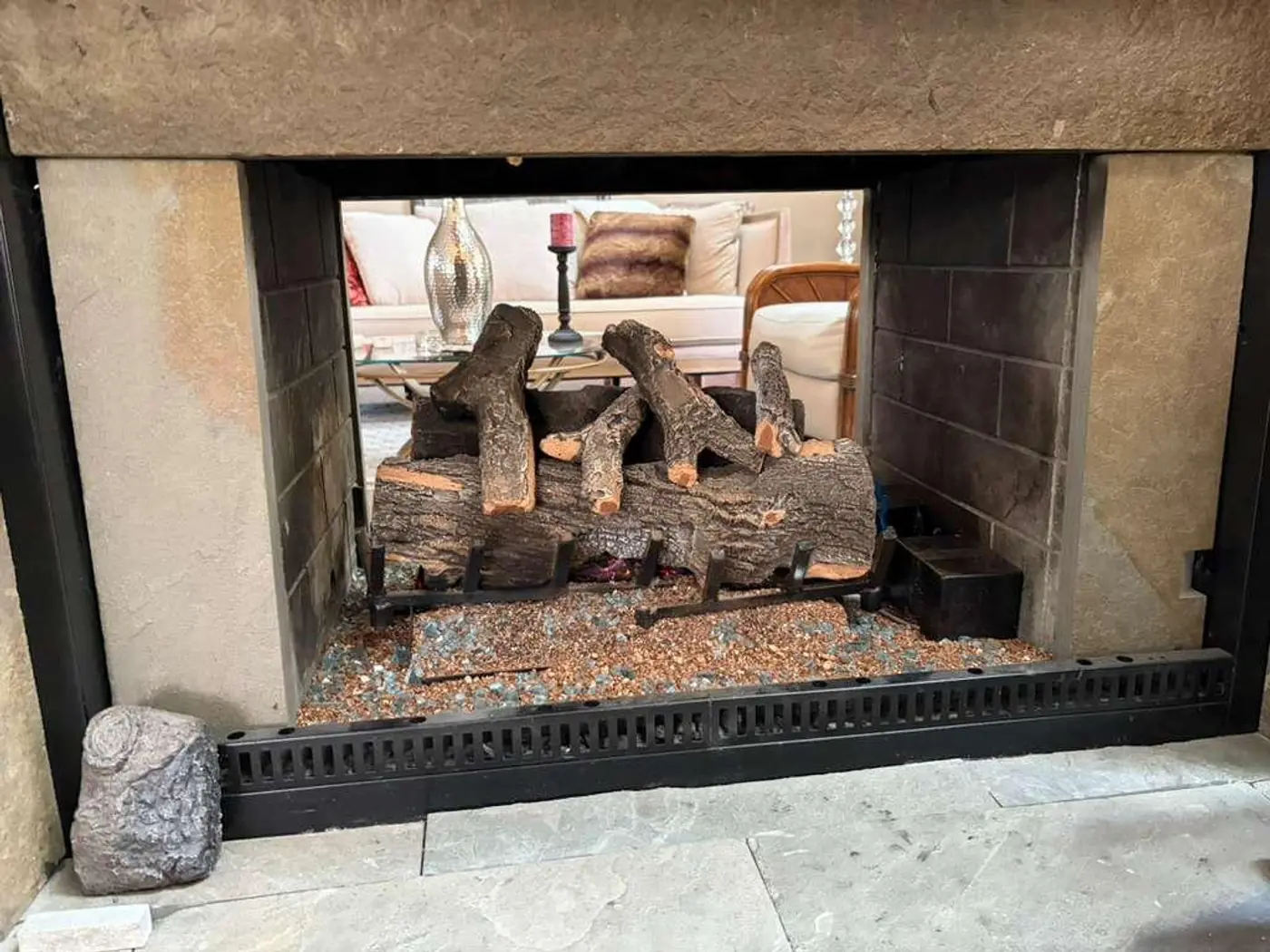
Rainwater or dampness around the hearth may be connected to the cap, crown, flue opening or another water-entry point.

Ceiling Stains

Brown or discolored areas near the chimney can indicate water moving through the roof-to-chimney area.

White Brick Staining

Mineral deposits on exterior masonry can be a clue that moisture is moving through the brick and mortar.

Rust

Rust on damper, firebox or metal components can be another sign that water is reaching places it should not.

Musty Odor

Damp masonry can contribute to persistent chimney or fireplace odors, especially during humid weather.

Spalling Masonry

Repeated moisture exposure can contribute to flaking brick, loose surfaces and deteriorated mortar.

Our Leak Diagnosis Approach

We Don’t Start With “Seal Everything”

Chimney leaks are frustrating because several different defects can create similar symptoms. A better approach is to work through the likely entry points and understand how water may be moving through the system.
01
Start with the symptomWhere do you see water, staining, rust or dampness, and when does it appear?
02
Check common exterior entry pointsCrown, cap, brick, mortar and accessible roofline conditions are considered together.
03
Separate maintenance from repairSome chimneys need masonry repair first; others may need flashing, cap or crown work.
04
Waterproof only when appropriateA water-repellent treatment can help after the actual defects have been addressed.
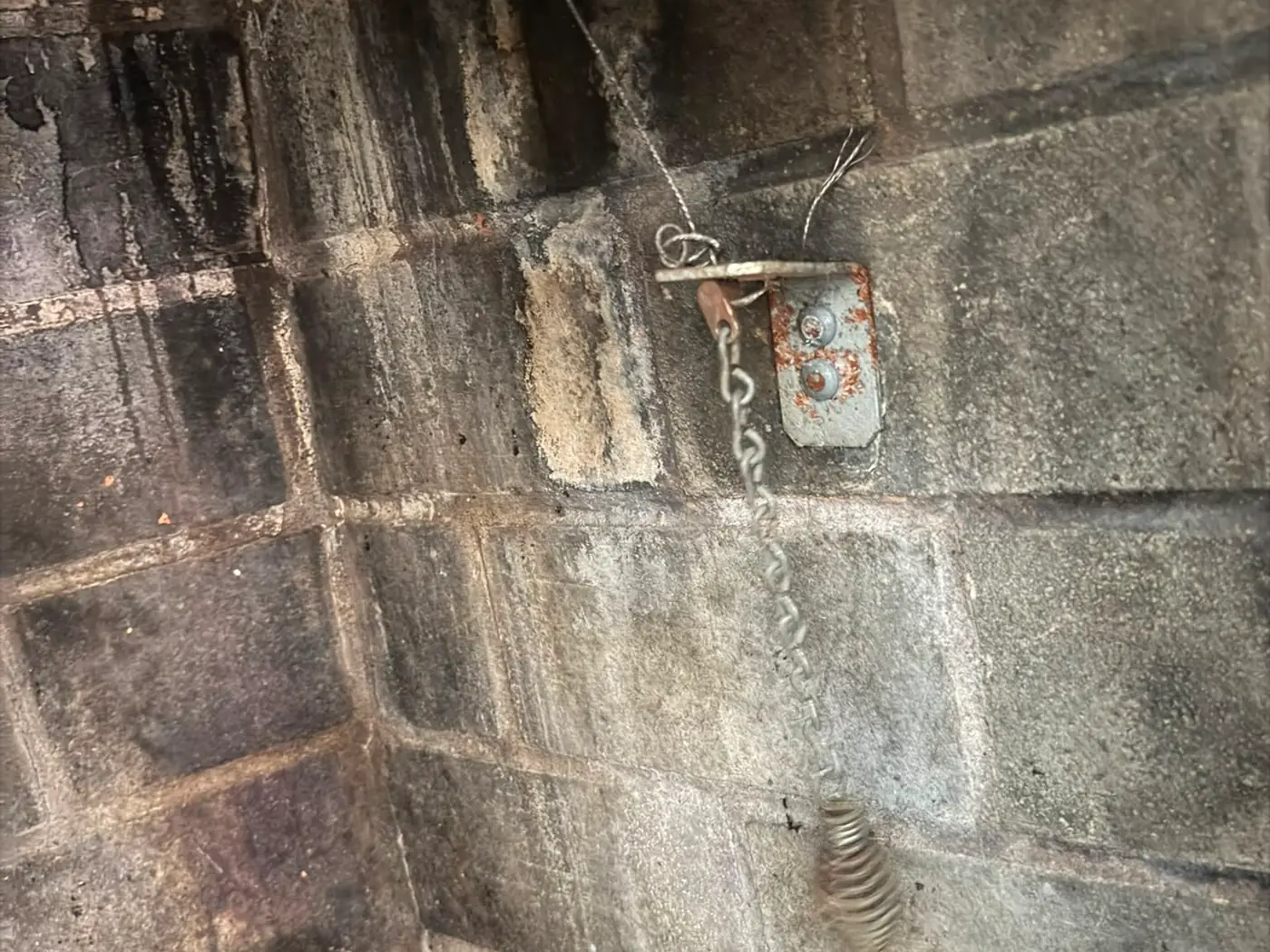
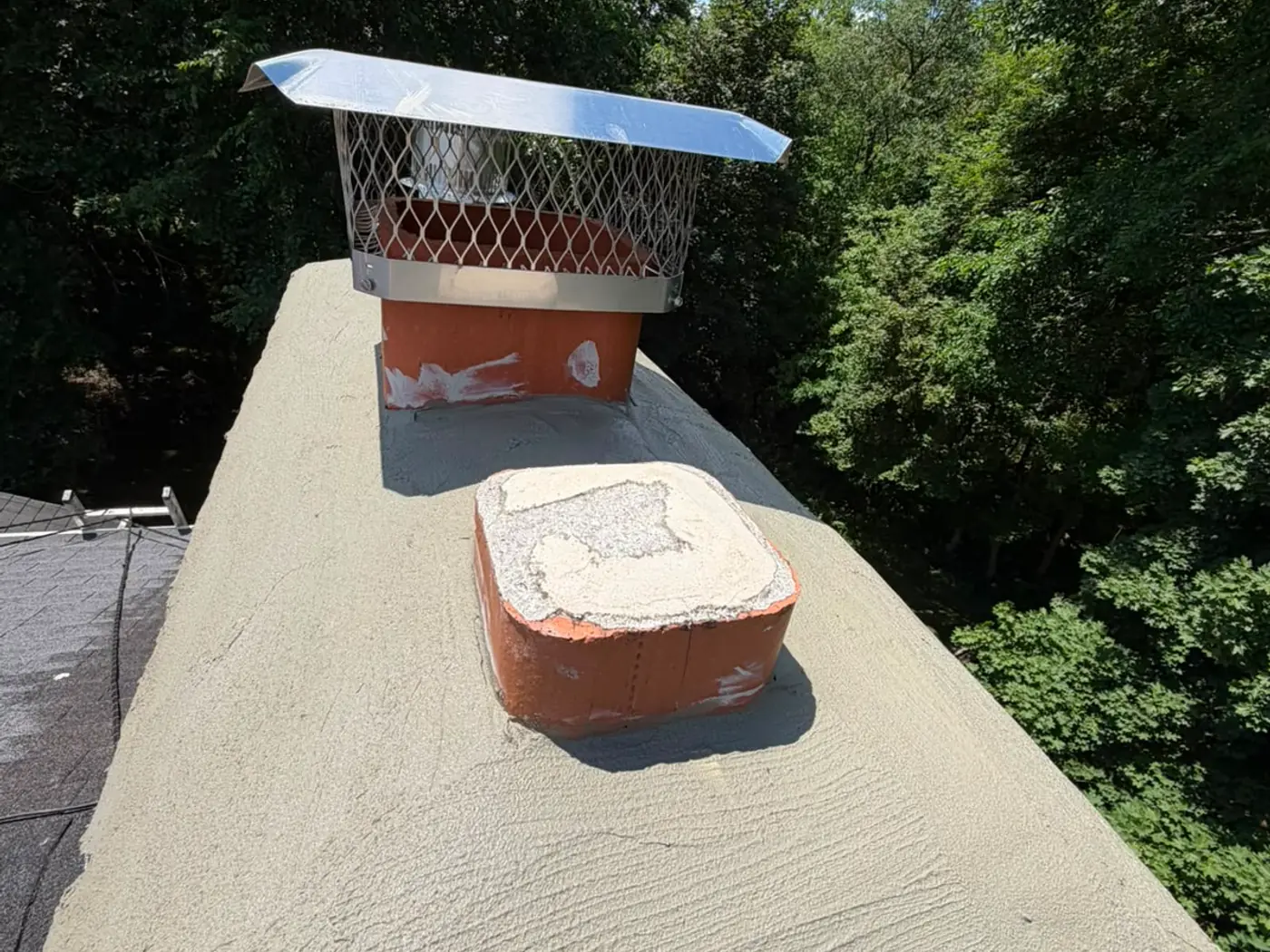
Failed chimney flashing and eroded mortar at the roof line where water has been entering Newly installed stainless steel chimney cap on a red brick chimney Close view of weathered mortar joints in a soot stained masonry chimney wall before tuckpointing
Waterproofing is protection, not a substitute for repair.
A coating should not be used to hide cracked crowns, failed mortar or damaged brick.
Chimney Waterproofing

When Water-Repellent Treatment Makes Sense

Brick and mortar are porous materials. After cracks, failed mortar and other defects are addressed, an appropriate breathable water-repellent treatment may help reduce future moisture absorption.

The key is timing. Waterproofing should support a repaired chimney, not cover up a chimney that still has open joints, deteriorated brick, crown cracks or unresolved roofline problems.

Good sequence:

Diagnose → repair defects → allow appropriate cure time → apply water-repellent treatment if the chimney is a good candidate.

Bad sequence:

Spray a coating over active masonry damage and assume the leak is solved.

Why Random Caulk Usually Isn’t a Leak Strategy

Covering the Symptom Can Make the Real Problem Harder to See

Sealant has legitimate uses in the right place, but repeated surface patching around a chimney is not the same as diagnosing water entry.

Temporary Patch Thinking

  • Seal every visible crack without identifying the source
  • Coat damaged mortar instead of repairing the joint
  • Ignore crown or flashing conditions
  • Assume one leak symptom can only have one cause
  • Repeat the same patch after every heavy rain

Condition-Based Leak Repair

  • Look for the likely path water is taking
  • Repair failed masonry, crowns or other defects where appropriate
  • Address roofline or flashing concerns when they are part of the problem
  • Use waterproofing as protection after repairs
  • Match the repair to the actual chimney condition
Why Chimney Leaks Are Common in Northeast Ohio

Rain, Snowmelt and Freeze-Thaw Cycles Keep Testing the Masonry

A chimney sits above the roofline through every Cleveland season. Once water gets into vulnerable masonry, repeated weather cycles can make an existing defect more noticeable over time.

1. Rain or Snow Reaches the ChimneyThe crown, cap, brick, mortar and flashing are all exposed.
2. Moisture Finds Weak AreasOpen mortar, cracks and deteriorated masonry can allow deeper absorption.
3. Temperatures ChangeWet masonry is repeatedly exposed to freezing and thawing conditions.
4. Damage Becomes More VisibleSpalling, cracking, staining and leaks may become more obvious season after season.
Chimney Leak Repair for Shaker Heights Homes

Older East Side Chimneys Often Have More Than One Water Path to Consider

Shaker Heights homes frequently combine older brick chimneys, slate or complex rooflines, prominent masonry and decades of previous maintenance.

That makes local diagnosis important. A leak around a tall Tudor chimney near Boulevard may present differently from a smaller masonry stack in Fernway, Lomond or Onaway. The repair still needs to be based on the individual chimney, not the neighborhood name, but understanding local housing styles helps us know what kinds of details to pay attention to.

CrownStone serves Shaker homeowners from the western side near Shaker Square and Larchmere through the central neighborhoods and east toward Van Aken.

BoulevardFernwayLomond LudlowMalvernMercer MorelandOnawaySussex
From Shaker Square to Van Aken
Older chimneys, visible masonry and Cleveland weather make moisture diagnosis an important part of long-term chimney care.
Leak Repair Services We May Recommend

The Correct Repair Depends on Where the Water Is Entering

A chimney leak can involve one component or several. These are the services most commonly connected to moisture problems.

01

Chimney Crown Repair

Repair cracking or deterioration at the top of the chimney when the crown is allowing water into the masonry.

02

Chimney Cap Repair / Replacement

Address missing, damaged or inadequate caps when the flue opening is more exposed than it should be.

03

Mortar & Tuckpointing

Repair open or deteriorated mortar joints that may be contributing to water absorption.

04

Brick Repair

Replace severely damaged or spalled bricks when moisture has affected individual masonry units.

05

Flashing / Roofline Evaluation

Consider the transition between roof and chimney when the leak pattern suggests water is entering around that area.

06

Chimney Waterproofing

Apply an appropriate breathable water-repellent treatment after necessary repairs when the chimney is a suitable candidate.

Chimney Leak & Waterproofing FAQs

Questions Shaker Heights Homeowners Ask About Water Around the Chimney

These answers help homeowners understand why the source should be identified before the repair is chosen.

Possible sources include the chimney cap, crown, deteriorated mortar, damaged brick, flashing or another opening around the roofline. The correct repair depends on where water is actually entering.
No. Flashing is one common source, but water may also enter through the crown, cap, brick, mortar joints or other defects. That is why diagnosis should come before repair.
Water-repellent treatment may help reduce moisture absorption when the chimney is an appropriate candidate, but it should not replace repairs to cracked crowns, failed mortar, damaged brick, cap issues or flashing problems.
Chimney waterproofing typically refers to applying a breathable water-repellent treatment to exterior masonry to help reduce water absorption while still allowing moisture vapor to escape.
White mineral staining can be associated with moisture moving through masonry. The staining itself does not identify the source, so the crown, cap, mortar, brick and roofline may need evaluation.
Sealant can be useful in specific applications, but randomly covering cracks is not a reliable way to diagnose a chimney leak. Open mortar, crown deterioration or flashing issues may need different repairs.
Moisture in masonry or fireplace components can contribute to damp or musty odors, especially during warm or humid conditions. Other chimney conditions can also cause odor, so the system should be evaluated in context.
Repeated moisture exposure can contribute to mortar deterioration, staining and spalling brick over time, particularly when vulnerable masonry is also exposed to freeze-thaw cycles.
Yes. This page is specifically focused on older brick and masonry chimney systems commonly found throughout Shaker Heights and nearby Cleveland East Side communities.
Find the Water Source Before the Next Heavy Rain

Need Chimney Leak Repair or Waterproofing in Shaker Heights?

If water keeps showing up around the fireplace, ceiling or exterior chimney, CrownStone Chimney Solutions can help identify likely entry points and determine whether the right solution is masonry repair, crown work, cap service, flashing evaluation, waterproofing or a combination of repairs.